Understanding Post Fracture Stiffness
Once a wrist or hand fracture has healed, many people expect movement to return automatically, but stiffness is a common and often persistent challenge after the bone itself has mended.
This stiffness develops from a combination of immobilization, swelling, and scar tissue formation around the joint.
Our clinic offers structured rehabilitation for post fracture stiffness to help restore full movement and function.
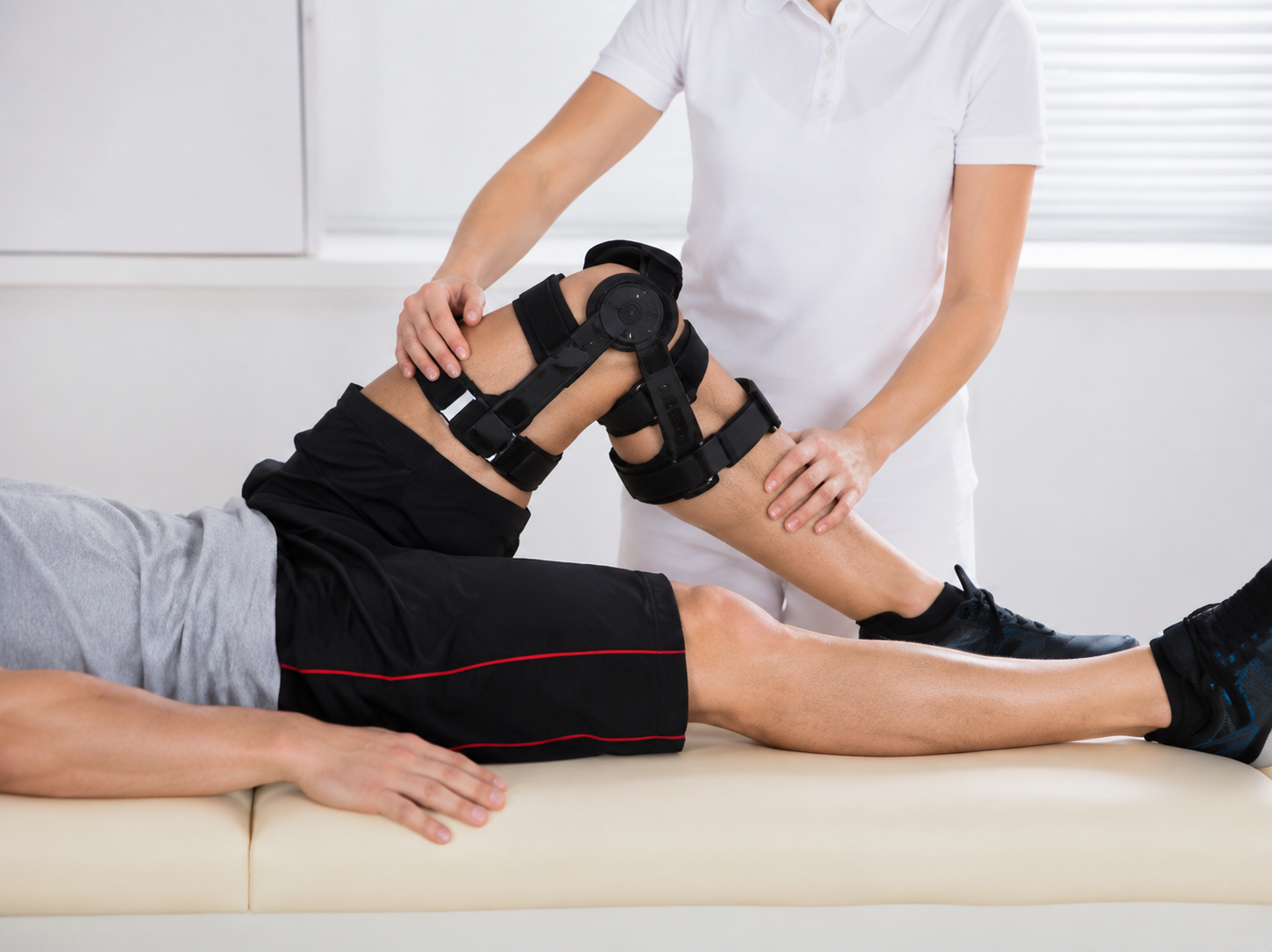
Why Stiffness Develops After a Fracture
During fracture healing, the wrist or hand is often immobilized in a cast or splint to protect the bone, but this same protection allows surrounding soft tissue, including ligaments, tendons, and joint capsules, to tighten from lack of movement.
Swelling and scar tissue formed during the healing process can further restrict motion, even after the fracture itself is fully healed.
Common Contributors to Post Fracture Stiffness
Prolonged immobilization in a cast or splint
Swelling that persists during and after the healing period
Scar tissue forming around joints and soft tissue structures
Delayed start of rehabilitation after cast removal
The severity and location of the original fracture
Signs of Post Fracture Stiffness
- Reduced range of motion in the wrist, hand, or fingers
- Difficulty performing daily tasks requiring full grip or wrist movement
- A sensation of tightness or resistance with movement
- Muscle weakness from extended disuse during immobilization
Treatment for Post Fracture Stiffness
Targeted clinical interventions designed to systematically break down restrictions and build flexibility include:
- Progressive range-of-motion exercises – gradually restores flexibility without overstressing healing tissue
- Manual therapy techniques – helps break down restrictive scar tissue and improve joint mobility
- Splinting or dynamic bracing – supports gradual stretching of stiff joints
- Strengthening exercises – rebuilds muscle lost during the immobilization period
Frequently Asked Questions
How long does stiffness typically last after a fracture heals?
This varies by fracture severity and how long immobilization was needed, but structured rehab often shows meaningful improvement within 6 to 12 weeks of starting therapy.
Is some stiffness after a fracture normal?
Yes, mild stiffness is common after any period of immobilization, but persistent or worsening stiffness should be addressed with a structured rehabilitation program.
Can stiffness from an old fracture still be improved?
In many cases, yes; even stiffness that has been present for months can often improve with a dedicated, progressive therapy program, though results vary by individual.
Concerned about wrist or hand pain? Book a consultation today with our specialists.
Book Hand Specialist Consultation