What Is Scoliosis?
Scoliosis is a sideways curvature of the spine, often appearing as an S- or C-shaped curve instead of a straight vertical line.
It can develop at any age, but most commonly appears during the growth spurt just before puberty.
Curves range from mild, requiring only monitoring, to more significant cases that affect posture, mobility, and in rare instances, breathing.
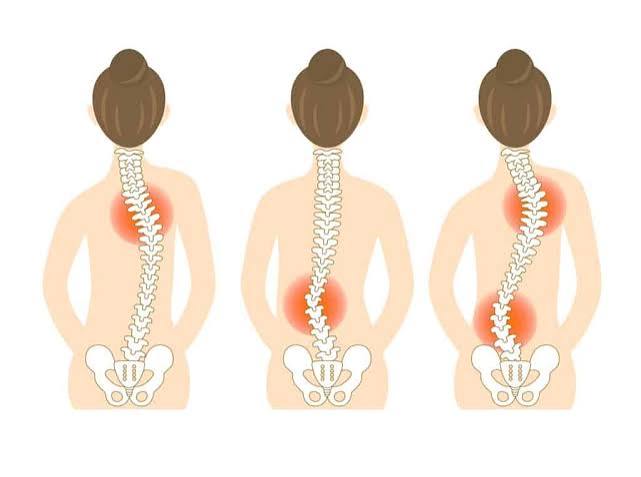
Common Symptoms
Uneven shoulders, with one appearing higher than the other
A visibly uneven waistline or hip height
One shoulder blade sticking out more than the other
The body leaning noticeably to one side
Back pain or fatigue after standing or sitting for long periods
In more advanced cases, breathing difficulty due to reduced chest space
What Causes Scoliosis?
- Idiopathic causes (unknown origin), which account for most cases, especially in adolescents
- Congenital scoliosis, present from birth due to abnormal spinal development
- Neuromuscular conditions, such as cerebral palsy or muscular dystrophy
- Degenerative changes in the spine, more common in older adults
- Genetic factors, since scoliosis can run in families
- Rarely, injury or infection affecting the spine's structure
How It's Diagnosed
Diagnosis typically starts with a physical exam, including the forward bend test, where a doctor checks for asymmetry in the back as the patient bends forward.
If scoliosis is suspected, an X-ray confirms the degree of curvature, measured in degrees, which helps determine the right course of treatment.
In some cases, an MRI is used to check for underlying causes such as nerve or spinal cord involvement.
Treatment Options
Most cases of scoliosis, particularly mild to moderate ones, are managed successfully without surgery through consistent monitoring, physiotherapy, and, when needed, bracing.
- Regular monitoring for mild curves that aren't progressing
- Physiotherapy and scoliosis-specific exercises to improve posture and core strength
- A bracing program for moderate curves in growing children and teens, to prevent further progression
- Pain management for discomfort associated with the curve
- Posture correction and ergonomic adjustments for daily comfort
- Surgery, considered only for severe curves that risk affecting breathing or continue to worsen significantly
When to See a Spine Specialist
- Visible asymmetry in shoulders, waist, or posture
- A spinal curve noticed during a school or routine screening
- Back pain that persists or worsens over time
- Breathing difficulty or reduced chest expansion
Early detection makes a significant difference with scoliosis, since timely treatment can slow or halt curve progression and reduce the likelihood of needing surgery later.
Book Spine Specialist Consultation