Back Pain: Diagnosis and Treatment
Understand common back pain causes, warning signs, clinical assessment, and personalised treatment options.
Book Free Consultation
Enter your details and our senior medical coordinator will reach out.
Understanding Back Pain
Back pain is discomfort felt anywhere from the upper or middle back to the lower back. It may be linked to muscle or ligament strain, joint irritation, disc changes, activity levels, or other health conditions.
Some people feel pain only in the back, while others may also notice discomfort in the buttock or leg. A clinical assessment helps identify warning signs and guide appropriate care.
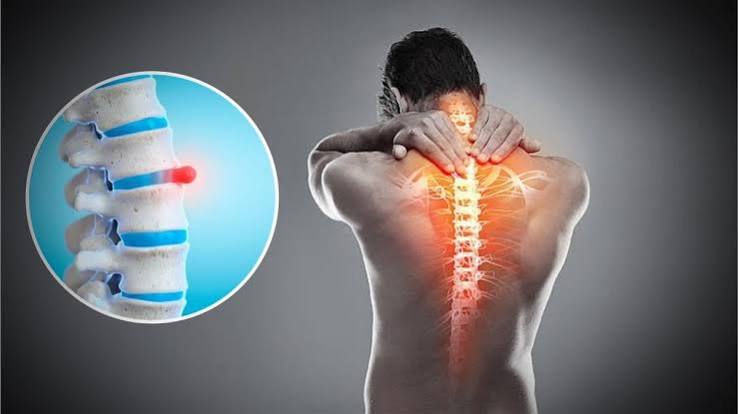
Common Back Pain Symptoms
Back pain can feel different from person to person. Common symptoms include:
Local Back Pain
Aching, stiffness, or soreness in the lower or middle back.
Pain with Movement
Pain that may increase with bending, lifting, twisting, or prolonged positions.
Stiffness
Reduced ease of bending, standing upright, or changing position.
Leg Symptoms
Some people also experience pain, tingling, or numbness into the buttock or leg.
What Can Cause Back Pain?
- Muscle or ligament strain after lifting or an unfamiliar activity
- Prolonged sitting, repetitive movements, or awkward working positions
- Reduced trunk strength, flexibility, or physical conditioning
- Age-related changes in spinal joints and discs
- Joint irritation or conditions affecting spinal structures
- Stress, poor sleep, or other health factors that may influence pain and recovery
Assessing Back Pain
Assessment usually includes a symptom history, physical examination, movement and neurological checks when indicated. Imaging is considered when clinically appropriate, not automatically for every episode of back pain.
1. Medical History & Onset
Reviewing when the pain started, where it is felt, what affects it, and how it changes daily activities.
- Radiating Pain Distribution: Mapping pain from lower back through buttock down one leg.
- Back Link: Tracking nerve symptoms referred into the pelvis and groin from L4-S1 levels.
- Electrical Jolt Onset: Recording sharp, burning, or shooting pain episodes.
- Sitting Tolerance Log: Measuring duration before seated pressure aggravates nerve pain.
- Valsalva Pressure Trigger: Documenting pain spikes during coughing, sneezing, or straining.
- Sensory Loss Reports: Logging patch numbness or pins and needles along nerve pathways.
- Muscle Weakness History: Screening for limb giving-way or foot drop symptoms.
- Lifting Incident Context: Documenting sudden twisting or heavy lifting triggers.
- Unilateral Symptom Check: Verifying if nerve pain affects predominantly one side.
- Previous Disc Flare-Ups: Reviewing historical recurring lower back and leg pain.
- Night Sleep Disruption: Assessing if nerve pain prevents finding a restful sleeping position.
- Cauda Equina Red Flags: Screening for emergency bladder or bowel control issues.
- Previous Treatment Response: Evaluating past epidural injections or physical therapy outcomes.
- Activity Limitation Log: Assessing impact on walking, driving, and working.
- Pain Intensity Scoring: Rating nerve distress levels using standard clinical scales.
- Symptom Progression Rate: Tracking how quickly numbness or weakness has expanded.
- Symptom Triggers: Identifying specific movements worsening disc pressure.
- Associated Fatigue: Screening for general muscle tiredness.
- Weight Stress Factors: Factoring in spinal load.
- Overall Health Overview: Comprehensive medical status summary.
2. Physical Examination
Hands-on nerve stretch testing, reflex evaluation, and muscle power screening.
- Straight Leg Raise (SLR) Test: Provoking compressed nerve roots between 30 and 70 degrees of elevation.
- Slump Test: Assessing neural tension across spinal cord and sciatic pathway in seated posture.
- Deep Tendon Reflexes: Testing knee jerk (L4) and ankle jerk (S1) reflex integrity.
- Myotome Power Testing: Checking muscle strength in foot dorsiflexion and great toe extension.
- Dermatome Sensation Exam: Assessing light touch and pinprick across lower extremity dermatomes.
- Femoral Nerve Stretch Test: Evaluating upper lumbar spinal disc changes (L2-L4).
- Toe and Heel Walking: Screening for lower limb motor root weakness under weight-bearing.
- Lumbar Range of Motion: Measuring flexion, extension, and side-bending movement restrictions.
- Posture & Antalgic Lean Check: Observing protective spinal shifting away from disc bulge.
- Palpation Screening: Checking paraspinal muscle tenderness and secondary muscle spasm.
- Back Screening: Evaluating pelvic ring stability to differentiate local joint pain from disc referral.
- Core Stability Test: Evaluating transverse abdominis and back stabilizer endurance.
- Balance Evaluation: Assessing neuromuscular stability during standing tests.
- Transition Observation: Watching patient move between sitting, standing, and lying exam table positions.
- Flexibility Testing: Checking hamstring length.
- Trunk Control Screen: Assessing core support.
- Functional Movement: Observing daily mechanics.
- Stability Check: Assessing segmental control.
- Specialized Tests: Advanced clinical screening.
- Physical Summary: Compiling exam metrics.
3. Imaging & Neurodiagnostics
Lumbar MRI scans, EMG nerve studies, bone structure X-rays, and diagnosis.
- MRI Scan (Gold Standard): Detailed visualization of disc position, annular tears, and nerve root contact.
- Lumbar X-Rays: Assessing bone structure, disc space height, and ruling out fractures.
- CT Scan with Myelogram: High-resolution cross-sectional bone and canal evaluation when MRI is restricted.
- Electromyography (EMG): Testing electrical activity in muscles to confirm chronic nerve root injury.
- Nerve Conduction Study (NCS): Evaluating electrical signal speed across compressed nerve pathways.
- Disc Degeneration Grading: Assessing severity of disc wear and tear on axial and sagittal views.
- Neural Foraminal Stenosis Check: Checking narrowing where nerve roots exit spinal canal.
- Blood Inflammatory Workup: Running ESR and CRP to rule out systemic infection or tumor.
- Differential Diagnosis: Distinguishing discogenic pain from facet joint syndrome, SI joint dysfunction, or piriformis syndrome.
- Diagnostic Selective Nerve Root Block: Confirming precise pain generator via fluoroscopic anesthetic injection.
- Sequential MRI Review: Comparing prior scans to track spinal disc changes regression over time.
- Surgical Consultation Review: Assessing candidacy for microdiscectomy when conservative care fails.
- Comprehensive Clinical Diagnosis: Synthesizing physical nerve tension tests, history, and MRI findings into a definitive diagnosis.
- Digital Record Archiving: Secure cloud storage of radiological reports.
- Specialist Peer Review: Multi-expert consensus on slip management.
- Risk Stratification: Assessing nerve root compromise risks.
- Prognosis Review: Estimating recovery timelines.
- Lab Correlation: Matching systemic blood markers.
- Bone Density Check: Screening skeletal health.
- Clinical Clearance: Approving targeted therapy start.
4. Treatment & Recovery Plan
Targeted spinal decompression, core rehabilitation, and nerve care.
- Spinal Decompression Therapy: Gentle mechanical traction protocols designed to reduce intradiscal pressure and retract herniated material.
- Targeted Physiotherapy: Specialized core stabilization regimens to protect lumbar discs and improve posture.
- Nerve Gliding Exercises: Controlled stretching movements to ease tension and improve mobility along compressed nerve pathways.
- Pain Management Protocols: Non-invasive modalities and coordinating epidural steroid injections to lower acute nerve root inflammation.
- Ergonomic & Lifting Education: Practical instructions on workstation adjustments, sitting posture, and safe bending mechanics.
- Home Exercise Program: Custom daily stretching routines to maintain spinal flexibility without provoking symptoms.
- Activity Pacing & Modification: Guidance on managing daily tasks and avoiding high-impact bending or twisting.
- Heat & Cold Therapy Guidance: Managing muscle spasms and localized discomfort safely at home.
- Weight Management Support: Reducing mechanical axial load stress on herniated discs.
- Sleep Hygiene Optimization: Pillow placement and mattress support adjustments to relieve nighttime nerve pressure.
- Milestone Progress Tracking: Monitoring recovery and nerve decompression week by week.
- Regular Clinical Follow-ups: Periodic evaluations with senior spine care specialists.
- Patient Self-Care Briefing: Clear instruction on managing back pain flare-ups independently.
- Long-Term Protection Strategy: Preserving functional independence and active lifestyle freedom.
- Maintenance Care Routines: Sustaining spinal health post-rehabilitation.
- Re-injury Prevention: Safe lifting and bending mechanics training.
- Mobility Enhancement: Safe hip and core movement maintenance.
- Specialist Consult Coordination: Multi-expert review for persistent or severe nerve compression.
- Recovery Milestone Review: Assessing treatment success.
- Active Lifestyle Clearance: Final approval for return to full daily activities.
Back Pain Treatment & Rehabilitation
Care is individualised to symptoms, examination findings, goals, and medical history. A plan may combine education, gradual activity, exercise, and clinician-recommended pain management.
1. General Lower Back Pain
Treatment / Modalities
- Decompression
- TENS: For pain relief
- Manual therapy: Mobilization and targeted muscle release
- Hot pack
- Laser
Rehabilitation Exercises
- McKenzie extension exercises
- Core stabilization
- Pelvic tilts
- Bridging
- Bird-dog
- Neural mobilization
- Hamstring and hip flexibility
- Progressive functional strengthening
2. Persistent or Recurrent Back Pain
Treatment / Modalities
- Decompression
- TENS: For pain relief
- Manual therapy: Mobilization and targeted muscle release
- Hot pack
- Laser
Rehabilitation Exercises
- Core stabilization
- Pelvic tilts
- Bridging
- Bird-dog
- Neural mobilization
- Hamstring and hip flexibility
- Progressive functional strengthening
3. Back Pain with Stiffness
Treatment / Modalities
- TENS
- Laser
- Hot pack
Rehabilitation Exercises
- Pelvic floor activation
- TA / abdominal bracing
- Pelvic tilt
- Gluteal isometric exercises
- Hip abductor strengthening
- Bridging – pain-free range
- Gentle hip mobility
- Functional exercises – sit-to-stand and walking as tolerated
How the Back Supports Everyday Movement
The spine, discs, joints, muscles, ligaments, and nerves work together to support the body and allow movement. Back pain can arise when one or more of these structures become irritated or overloaded, but pain does not always mean serious damage.
- Muscles and ligaments: A strain may follow lifting, repetitive activity, or an unfamiliar movement.
- Spinal joints and discs: These structures can develop age-related changes that may or may not be the source of symptoms.
- Nerve irritation: Some conditions can cause pain, tingling, numbness, or weakness that travels into a leg.
Movement, Posture, and Back Pain
There is no single perfect posture that prevents all back pain. Regular position changes, gradual physical activity, sensible lifting, adequate recovery, and a workspace that feels comfortable can help manage strain and support function.
- Change positions regularly: Break up long periods of sitting or standing with comfortable movement.
- Build activity gradually: Walking and individually suitable strengthening can help restore confidence and capacity.
- Use a manageable lifting strategy: Keep loads close when practical and ask for help with heavy or awkward objects.
- Seek an assessment: A clinician can help tailor advice to your symptoms, health history, and goals.
Back Pain Warning Signs
Seek urgent medical assessment if back pain is accompanied by new bladder or bowel control problems, difficulty passing urine, numbness around the groin or saddle area, or rapidly worsening leg weakness. Prompt medical review is also important after major trauma or when pain occurs with fever or other concerning symptoms.
If pain persists, worsens, repeatedly returns, or interferes with sleep and daily activities, arrange a clinical assessment.
Meet Our Experts
Our team focuses on assessing back pain, improving comfortable movement, building strength and mobility, and helping patients return safely to everyday activities through an individualised care plan.
Ask Our Specialist
Back pain can affect movement, comfort, sleep, and everyday activities. Understanding your symptoms and possible contributing factors helps guide the next steps. Our approach focuses on clinical assessment, suitable treatment options, gradual mobility and strength building, and an individualised care plan designed around your needs and recovery goals.
Treatment Videos/testimonials
Watch patient videos and learn more about their experiences.
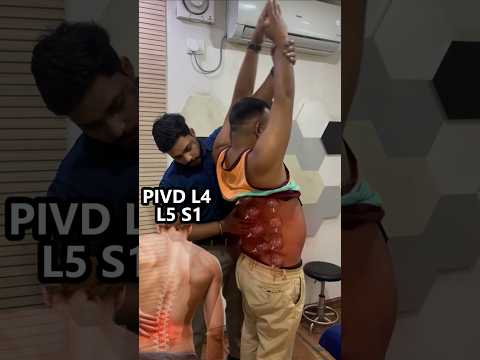
😭 L4 L5 S1 Pain | PIVD Case #physiotherapy #pivd #backpain
😭 L4 L5 S1 Pain | PIVD Case #physiotherapy #pivd #backpain
Back Pain: Frequently Asked Questions
Find clear answers about common back pain symptoms, assessment, treatment, and recovery. Individual symptoms vary; seek urgent care for new bladder or bowel problems, saddle numbness, or rapidly worsening weakness.
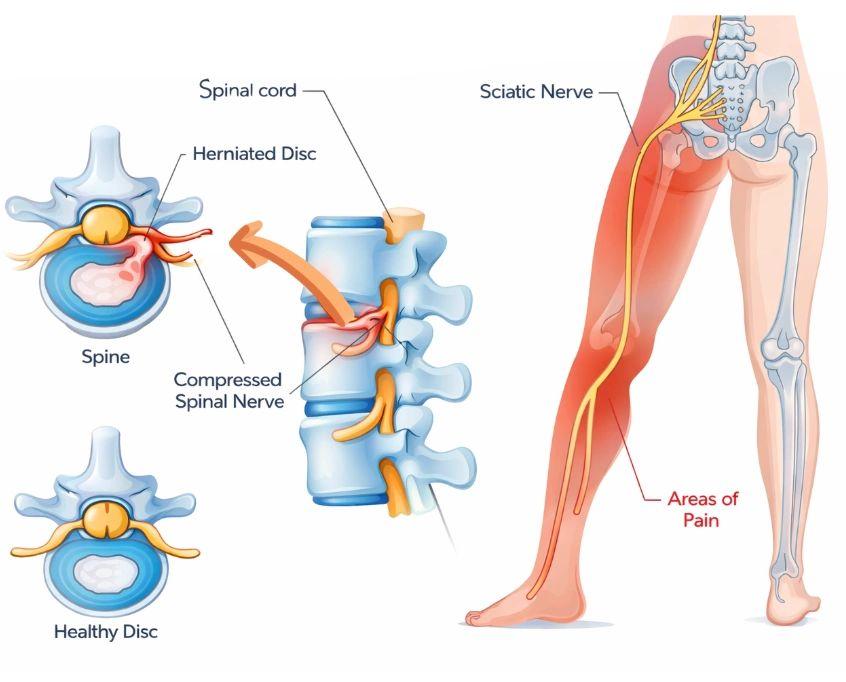
Common contributors to back pain
Back pain may be associated with muscle strain, repetitive loading, prolonged positions, or changes in spinal joints and discs. The cause varies, so assessment should guide care.
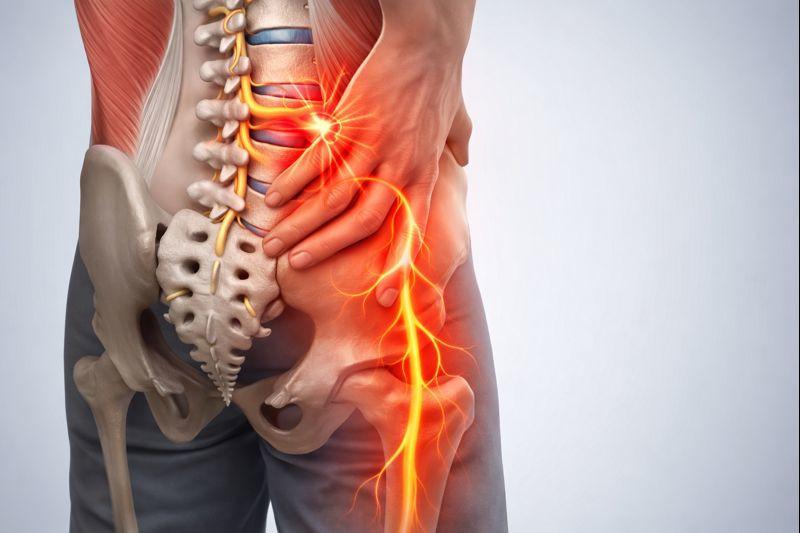
Movement and daily activities
Long periods in one position, sudden increases in activity, or repeated lifting can aggravate symptoms. Gentle movement and gradual activity progression may support recovery.
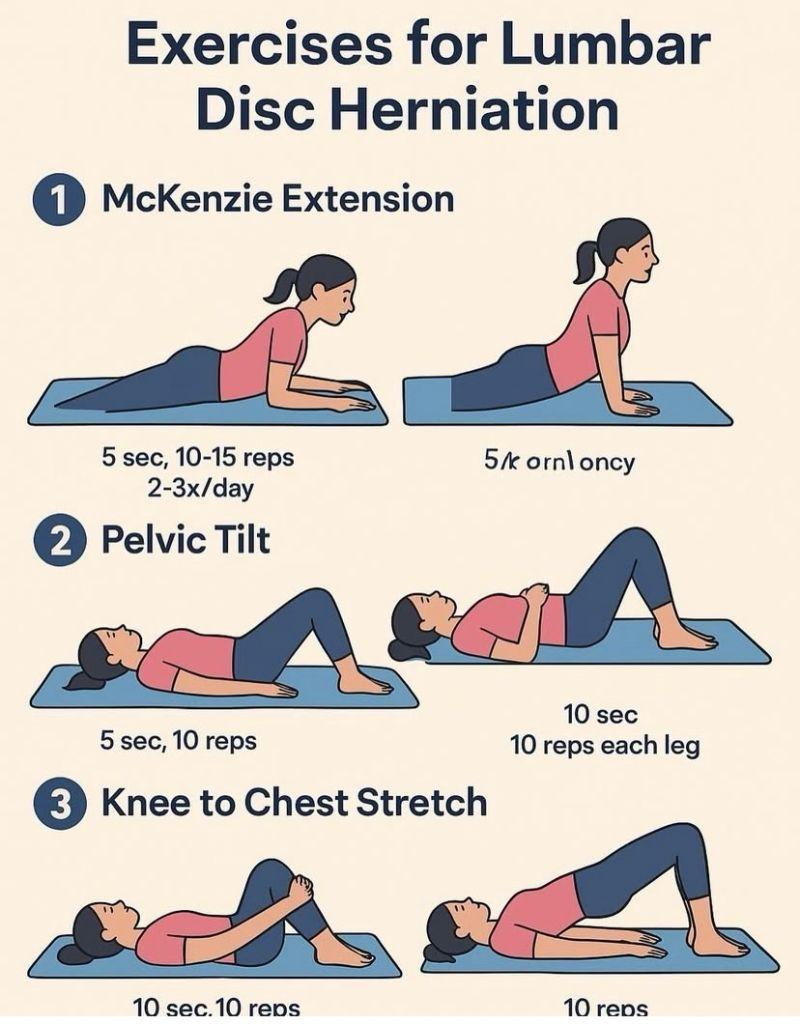
Natural healing and rehabilitation
With targeted physical therapy and proper movement guidance, most disc-related back pains retract and heal without requiring surgery...
When to See a Spine Specialist
Seek prompt care if you notice:
- Pain that doesn't improve after a few weeks of home care
- Worsening leg weakness or spreading numbness
- Loss of bladder or bowel control
- Pain severe enough to disrupt sleep or daily life
An early, accurate diagnosis makes back pain treatment far more effective — relieving nerve pressure and restoring normal movement without unnecessary delay.
Book Spine Specialist Consultation