What Is Coccydynia?
Coccydynia refers to pain around the coccyx, commonly known as tailbone pain — the small, triangular bone at the very base of the spine.
This pain typically worsens with sitting, especially on hard surfaces, since the coccyx bears direct pressure when you're seated.
While often uncomfortable and persistent, coccydynia is rarely linked to anything serious and usually improves with simple, non-surgical care.
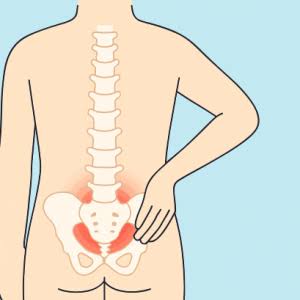
Common Symptoms
A dull ache or sharp pain at the very base of the spine
Tailbone pain that intensifies with prolonged sitting
Discomfort when transitioning from sitting to standing
Pain during bowel movements in some cases
Tenderness when the area is touched directly
Pain during or after sexual activity, in some cases
What Causes Tailbone Pain?
- A fall directly onto the tailbone, a common trigger of acute coccydynia
- Prolonged sitting on hard or narrow surfaces
- Childbirth, which can strain or injure the coccyx during delivery
- Repetitive strain from activities like cycling or rowing
- Degenerative changes or joint instability at the coccyx over time
- Rarely, infection or a growth near the tailbone
How It's Diagnosed
A physical exam checking tenderness and coccyx movement is usually the first step.
X-rays can rule out a fracture or structural abnormality, while an MRI may be used for persistent cases to check for other underlying causes of tailbone pain not visible on standard imaging.
Treatment Options
Most cases of coccydynia improve within a few weeks to months with simple lifestyle adjustments and conservative, non-surgical treatment.
- Using a coccyx cushion or donut pillow to relieve pressure while sitting
- Avoiding prolonged sitting or shifting position frequently
- Pain-relief or anti-inflammatory medication, as advised by a doctor
- Heat or cold therapy to ease pain and inflammation
- Physiotherapy and pelvic floor exercises to reduce strain on the area
- Targeted injections for persistent, severe tailbone pain
- Surgery, rarely needed and considered only when all other treatments fail
When to See a Spine Specialist
- Tailbone pain that persists beyond a few weeks
- Pain following a direct fall or injury to the area
- Pain that interferes with sitting, work, or daily activities
- Signs of infection, such as swelling, redness, or fever near the tailbone
Since tailbone pain can stem from several different causes, an accurate diagnosis helps guide the right treatment and speeds up lasting relief.
Book Spine Specialist Consultation