What Is Sacroiliitis?
Sacroiliitis is inflammation of one or both sacroiliac (SI) joints — the joints connecting the base of the spine to the pelvis.
This inflammation is a major driver of sacroiliac joint dysfunction, where abnormal joint movement causes pain in the lower back, pelvis, and legs.
Together, these conditions account for roughly 15–30% of chronic lower back pain cases, making the SI joint an often-overlooked source of persistent back and pelvic pain.
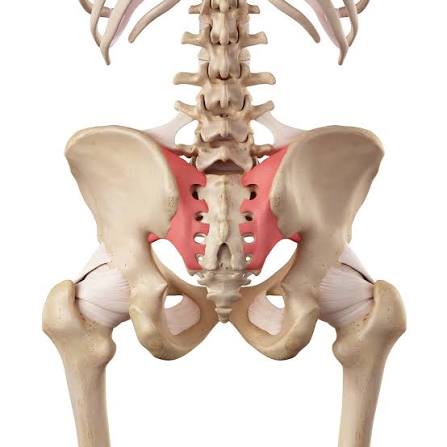
Common Symptoms
Pain centred in the lower back and pelvis
Sciatica-like pain radiating into the buttock, hipor leg
Numbness or tingling around the hip or groin
Sharp, stabbing pain that worsens with activity
A feeling of leg instability or giving way
Difficulty sitting for extended periods, with disrupted sleep in severe cases
What Causes It?
SI joint problems stem from either too much movement (hypermobility) or too little (hypomobility) at the joint:
- Uneven gait from a leg-length difference
- Pregnancy and childbirth, which loosen pelvic ligaments
- Age-related joint wear and previous lower back surgery
- Scar tissue from past injury or trauma
- Ligament strain from repeated heavy lifting
- Inflammatory conditions such as ankylosing spondylitis, which can directly trigger sacroiliitis
How It's Diagnosed
A detailed spine and movement assessment identifies whether pain stems from weak muscles, a strained ligamentor scar tissue around the joint.
Doctors may also use movement tests, X-ray or MRI imaging, and occasionally a diagnostic injection to confirm the SI joint as the pain source.
Treatment Options
Treatment is tailored to severity and cause, and commonly includes:
- Short rest periods during flare-ups and pain-relief medication as advised
- Cold compress for swelling; heat therapy for pain and stiffness
- SI joint injections for severe or persistent pain
- A supportive brace for joint hypermobility
- Targeted physiotherapy to strengthen the specific weak muscles supporting the joint
Most people see significant improvement within a few weeks of consistent, targeted rehabilitation.
When to See a Spine Specialist
- Persistent lower back or pelvic pain that doesn't improve with rest
- Radiating leg pain, numbnessor tingling
- A sense of instability while standing or walking
SI joint pain is often mistaken for sciatica or a disc problem, so an accurate diagnosis is essential for faster, targeted relief.
Book Spine Specialist Consultation