What Is a Migraine?
A migraine is a neurological condition causing intense, throbbing headaches, often on one side of the head, along with other disruptive symptoms.
Unlike a typical headache, migraines can last hours to days and are frequently accompanied by nausea, sensitivity to light and sound, and visual disturbances — a leading cause of missed work and reduced quality of life.
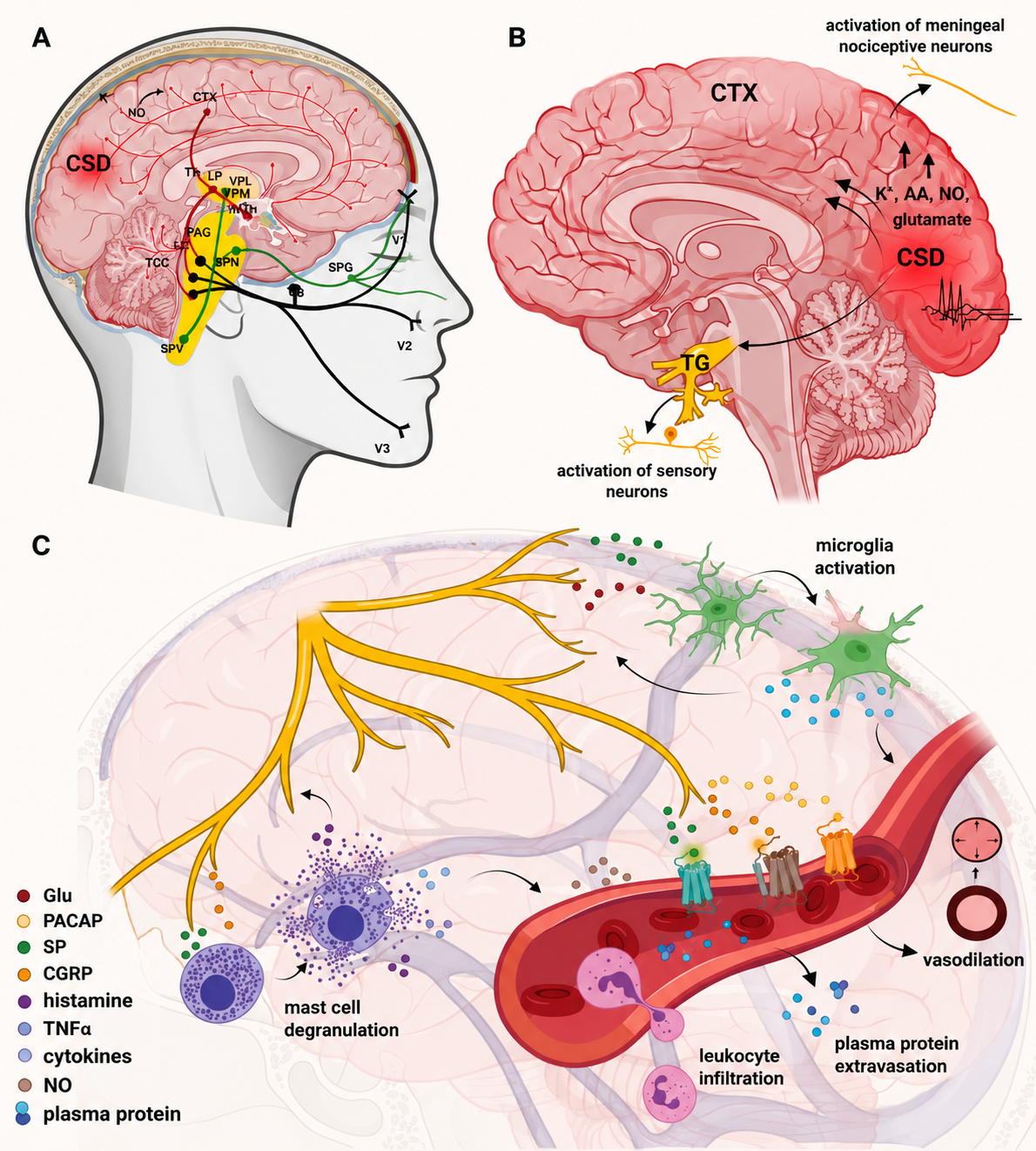
Common Symptoms
Throbbing or pulsing pain, usually on one side of the head
Nausea or vomiting during an attack
Heightened sensitivity to light, sound, or smell
Visual aura — flashing lights, blind spots, or zigzag patterns
Neck stiffness or tension before or during an episode
Fatigue and difficulty concentrating during and after an attack
What Causes Migraines?
The exact cause isn't fully understood, but migraines link to changes in brain activity, blood vessels, and nerve signalling. Common triggers include:
- Hormonal changes, particularly around menstruation
- Stress, anxiety, or emotional strain
- Lack of sleep or irregular sleep patterns
- Certain foods, caffeine, or alcohol
- Bright lights, strong smells, or loud noises
- Skipping meals, dehydration, or neck tension from poor posture
- A family history of migraines
How It's Diagnosed
Diagnosis relies on symptom patterns, frequency, and medical history rather than a single test.
Doctors rule out other headache causes through a physical and neurological exam; imaging like MRI or CT is used only when symptoms suggest another underlying condition.
Treatment Options
Most people manage migraines effectively through trigger avoidance, lifestyle adjustments, and appropriate medication, reducing both frequency and severity over time.
- Pain-relief or migraine-specific medication, as advised by a doctor
- Preventive medication for frequent or severe migraines
- Identifying and avoiding personal triggers
- Stress management and relaxation techniques
- Physiotherapy for neck-related tension contributing to headaches
- Consistent sleep schedule and regular meals
When to See a Doctor
- Migraines occurring frequently or worsening over time
- A sudden, severe headache unlike previous episodes
- Headache with confusion, slurred speech, or weakness
An accurate diagnosis helps identify triggers and build a treatment plan that reduces attack frequency and improves long-term wellbeing.