Understanding Avascular Necrosis of the Hip
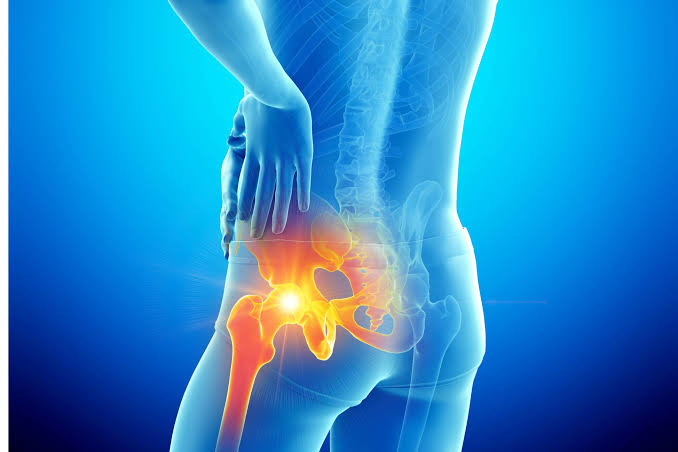
Avascular necrosis (AVN) of the hip, also known as osteonecrosis, occurs when blood supply to the femoral head is disrupted, causing the bone tissue to die and gradually weaken.
Without adequate blood flow, the affected bone can collapse over time, leading to joint damage and, if untreated, progressive arthritis. Because early-stage AVN is often silent or mild, understanding its risk factors and warning signs is essential for catching the condition before significant joint damage occurs.
What Causes AVN of the Hip?
- Long-term or high-dose corticosteroid therapy
- Excessive alcohol consumption over an extended period
- Traumatic hip injury or fracture disrupting local blood supply
- Certain blood disorders, such as sickle cell disease
- Deep-sea diving or conditions causing decompression-related vascular injury
- Idiopathic AVN, where no clear underlying cause is identified
Stages of AVN
- Stage 1: Early bone changes with no visible collapse on X-ray, often detected clearly on MRI
- Stage 2: Visible changes in bone density on X-ray without structural collapse
- Stage 3: Early mechanical collapse of the femoral head surface
- Stage 4: Advanced collapse with secondary osteoarthritis of the hip joint
Symptoms
- Groin or hip pain that may initially only occur during weight-bearing activity
- Pain that gradually becomes more constant and intense as the condition progresses
- Limited hip range of motion in more advanced stages
- A noticeable limp developing as pain and joint involvement increase
- Pain that may persist even at rest in later stages
Diagnosis
MRI is the most sensitive imaging tool for detecting AVN, often identifying bone changes well before they appear on standard X-rays.
Early diagnosis is particularly valuable because treatment options are generally more effective, and joint-preserving procedures are significantly more likely to succeed before structural collapse of the femoral head occurs.
Treatment Options by Stage
- Early stages: Activity modification, protected weight-bearing, and addressing risk factors like steroid or alcohol use
- Core decompression: Surgical procedure to relieve pressure within the bone and stimulate new blood vessel growth
- Bone grafting: Procedures to structurally support the femoral head in select cases
- Total hip replacement: Indicated for advanced-stage AVN with significant head collapse or secondary arthritis
- Monitoring: Ongoing follow-up with imaging to track disease progression over time
Why Early Detection Matters
The clinical window for joint-preserving treatment in AVN narrows significantly once femoral head collapse occurs.
This makes early recognition of risk factors and prompt investigation of persistent hip pain exceptionally important, especially in patients with known risk profiles such as long-term steroid use or heavy alcohol consumption.
Frequently Asked Questions
Can avascular necrosis of the hip be cured?
While existing bone damage from AVN cannot be fully reversed, early-stage disease can often be effectively managed with joint-preserving treatments that slow or halt progression before collapse occurs.
What are the earliest warning signs of AVN?
Early AVN often causes mild groin or hip pain that occurs mainly with weight-bearing activity, which can be easy to overlook until the condition progresses.
Is hip replacement always needed for AVN?
No. Hip replacement is generally reserved for advanced-stage AVN with significant femoral head collapse; earlier stages may respond well to joint-preserving procedures such as core decompression.
Who is most at risk of developing AVN of the hip?
People undergoing long-term corticosteroid therapy, individuals with heavy alcohol use, those with certain blood disorders, and people with a history of severe hip trauma are at increased risk.
Take Care of Your Hip Health
Concerned about persistent hip pain or looking for a professional specialist diagnosis? Book a consultation today with our orthopedic experts.
Book Hip Specialist Consultation