What Is Lumbar Spondylosis?
Lumbar spondylosis is age-related wear and tear affecting the lower spine — the discs, joints, and bones between the vertebrae gradually lose strength and flexibility over time.
It's a common form of spinal osteoarthritis and one of the leading causes of chronic lower back pain in older adults, though it can also affect younger people with physically demanding lifestyles.
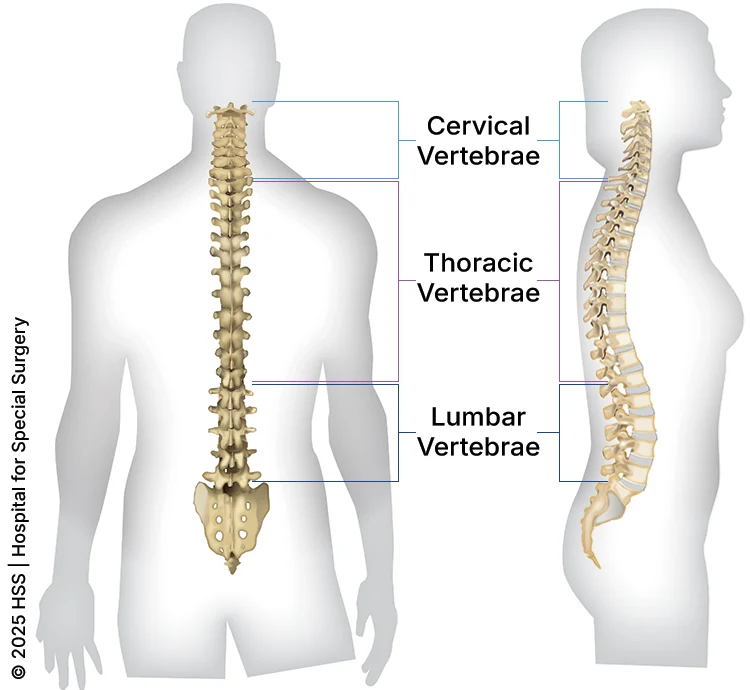
Common Symptoms
Persistent lower back pain and stiffness
Discomfort that's worse in the morning or after long rest
Reduced flexibility when bending or twisting
Pain that eases with gentle movement but returns with overexertion
Occasional pain, tinglingor numbness spreading into the buttocks or legs
Muscle weakness in advanced cases involving nerve compression
What Causes Lumbar Spondylosis?
- Natural ageing and long-term spinal wear
- Degenerative disc disease and loss of disc height
- Bone spurs forming around worn joints
- Facet joint degeneration
- Repetitive strain from heavy lifting or physically demanding work
- Poor posture, excess body weight, and a sedentary lifestyle
- Family history of spinal conditions
How It's Diagnosed
Diagnosis typically begins with a physical exam assessing posture, flexibility, and pain triggers.
X-rays reveal bone spurs and disc space narrowing, while an MRI gives a clearer view of nerve involvement and soft tissue changes when symptoms suggest nerve compression.
Treatment Options
Most people manage lumbar spondylosis effectively without surgery, since it's a gradual condition best controlled through consistent movement, posture care, and lifestyle changes rather than reversed outright.
- Physiotherapy to improve flexibility and strengthen supporting muscles
- Core-strengthening and low-impact exercises like walking or swimming
- Posture correction and ergonomic adjustments
- Heat therapy to ease stiffness and muscle tension
- Pain-relief or anti-inflammatory medication, as advised by a doctor
- Targeted injections for persistent nerve-related pain
When to See a Spine Specialist
- Pain that persists beyond a few weeks or steadily worsening
- Numbness, tinglingor weakness in the legs
- Difficulty walking or a noticeable loss of balance
- Loss of bladder or bowel control
Early diagnosis helps keep lumbar spondylosis well managed, preserving mobility and preventing complications that can affect long-term spinal health.
Book Specialist Consultation