What Is Piriformis Syndrome?
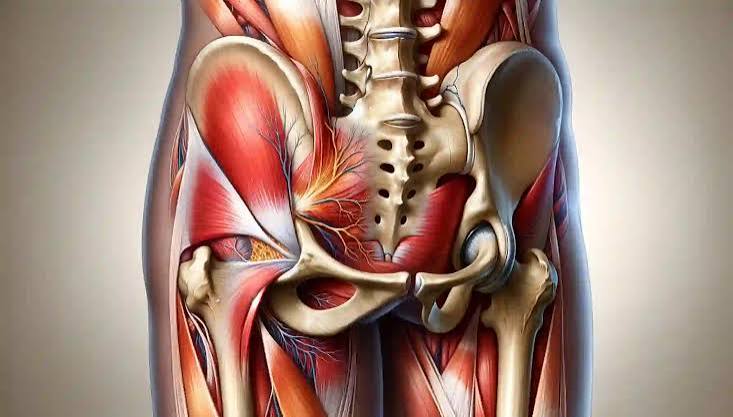
Piriformis syndrome occurs when the piriformis — a small muscle deep in the buttock that helps rotate the hip — becomes tight, spasms, or swells and presses on the nearby sciatic nerve.
Because the sciatic nerve runs directly beneath or, in some people, through this muscle, even mild irritation can trigger pain that mimics sciatica caused by a spinal disc problem, making it a commonly misdiagnosed source of buttock and leg pain.
Common Symptoms
A dull ache or sharp pain deep in the buttock
Pain radiating down the back of the thigh, sometimes reaching the calf or foot
Tingling or numbness along the path of the sciatic nerve
Discomfort that worsens with sitting, climbing stairs, or running
Pain triggered by hip rotation or crossing the legs
Tenderness when pressing directly on the buttock muscle
What Causes It?
- Prolonged sitting, especially on hard surfaces or with a wallet in the back pocket
- Overuse from running, cycling, or repetitive hip movements
- Muscle strain from an awkward movement or sudden increase in activity
- Direct trauma to the buttock, such as a fall
- Muscle imbalance or weak hip and core stabilising muscles
- Anatomical variations where the sciatic nerve passes through the piriformis muscle
How It's Diagnosed
Diagnosis relies mainly on a physical exam, since piriformis syndrome doesn't typically show up on standard imaging.
Doctors test hip rotation, check for buttock tenderness, and use specific movement tests that reproduce the pain. An MRI or X-ray may still be ordered to rule out a herniated disc or spinal cause of sciatica-like symptoms.
Treatment Options
Most people recover well with consistent stretching and physiotherapy, usually within a few weeks, without needing more invasive treatment.
- Stretching exercises targeting the piriformis and surrounding hip muscles
- Physiotherapy to correct muscle imbalances and improve hip mechanics
- Heat or cold therapy to ease muscle spasm and inflammation
- Activity modification, avoiding prolonged sitting or repetitive strain
- Pain-relief or anti-inflammatory medication, as advised by a doctor
- Targeted injections for persistent cases that don't respond to conservative care
When to See a Spine Specialist
- Buttock or leg pain that persists beyond a few weeks
- Numbness or weakness spreading down the leg
- Pain that doesn't improve with rest, stretching, or activity changes
- Uncertainty over whether symptoms stem from the hip, spine, or muscle
Since piriformis syndrome closely resembles sciatica from a spinal cause, an accurate diagnosis is key to avoiding unnecessary treatment and getting targeted, effective relief.
Book Spine Specialist Consultation