What Is Lumbar Canal Stenosis?
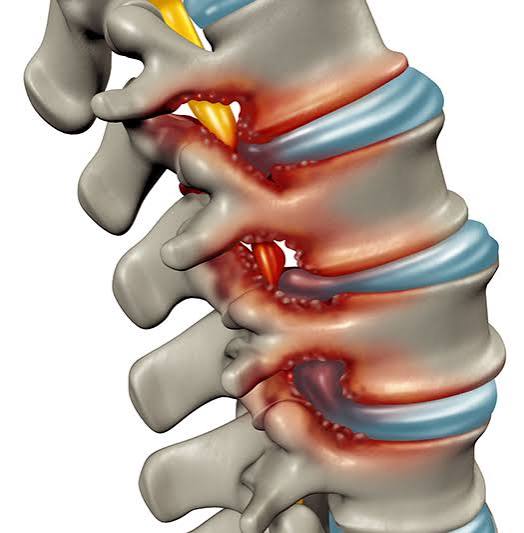
Lumbar canal stenosis (LCS) is the narrowing of the spinal canal in the lower back, which reduces the space available for the spinal cord and nerve roots.
As the canal tightens, nerves can become compressed, leading to pain, numbnessor weakness in the lower back and legs.
It usually develops gradually with age and is one of the most common causes of chronic lower back and leg pain in older adults.
Common Symptoms
Lower back pain that spreads into the buttocks or legs
Leg cramping, heavinessor numbness while walking or standing
Pain that eases when sitting or bending forward
Tingling or a burning sensation in the legs or feet
Weakness affecting balance or walking distance
Symptoms that worsen with prolonged standing and improve with rest
What Causes It?
- Age-related degeneration of spinal discs and joints
- Thickened ligaments pressing into the spinal canal
- Bone spurs from osteoarthritis narrowing the canal space
- Herniated or bulging discs reducing available space
- Lumbar spondylolisthesis, where vertebral slippage adds pressure
- Less commonly, a naturally narrow spinal canal present from birth
How It's Diagnosed
A physical exam assesses walking pattern, strength, and how symptoms change with posture.
An MRI scan is the most reliable way to confirm canal narrowing and pinpoint the affected nerves, while a CT scan or X-ray may be used to evaluate bone structure and rule out other spinal conditions.
Treatment Options
Many people manage lumbar canal stenosis effectively through non-surgical care, especially in its early to moderate stages, with surgery reserved for cases that don't respond to conservative treatment.
- Physiotherapy to improve flexibility, posture, and core strength
- Activity modification, favouring forward-flexed positions like cycling over prolonged standing
- Pain-relief or anti-inflammatory medication, as advised by a doctor
- Epidural steroid injections to reduce nerve inflammation
- Assistive devices, such as a cane, for added stability when walking
- Surgery, considered for severe stenosis with persistent pain or worsening nerve symptoms
When to See a Spine Specialist
- Walking distance that keeps shrinking due to leg pain or heaviness
- Numbness, tinglingor weakness that's getting worse
- Difficulty maintaining balance or frequent stumbling
- Loss of bladder or bowel control
Early diagnosis of lumbar canal stenosis helps relieve nerve pressure sooner, preserve mobility, and prevent the condition from progressing further.
Book Spine Specialist Consultation