What Are Sacralisation and Lumbarisation?
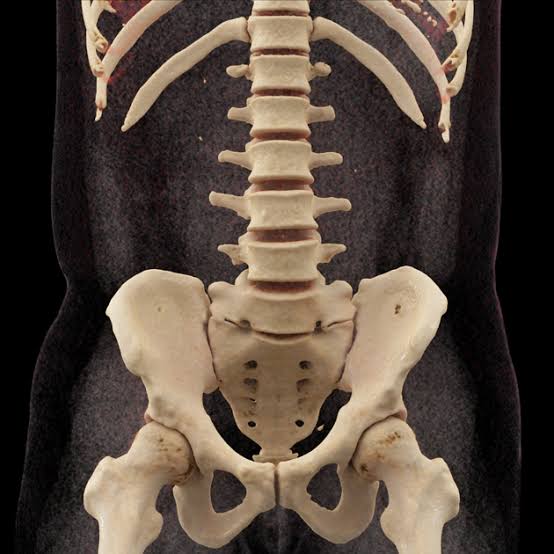
Sacralisation and lumbarisation are congenital spine variations affecting the vertebra where the lumbar spine meets the sacrum.
In sacralisation, the last lumbar vertebra (L5) partially or fully fuses with the sacrum, reducing the number of mobile lumbar segments.
In lumbarisation, the opposite happens — the first sacral segment (S1) separates from the sacrum and behaves like an extra lumbar vertebra.
Both are examples of lumbosacral transitional vertebrae and are usually present from birth, often discovered incidentally on an X-ray.
Common Symptoms
Many cases cause no symptoms and are found only on imaging
Lower back pain, especially around the transitional segment
Stiffness or reduced flexibility in the lower spine
Pain that worsens with twisting, bendingor prolonged standing
Occasional pain radiating into the buttock or hip
Increased strain on nearby discs and joints over time
What Causes It?
- A congenital variation in spinal development before birth
- No known lifestyle or environmental trigger — it's a structural difference present from birth
Symptoms, when present, usually develop later due to abnormal stress on nearby joints and discs rather than the variation itself.
How It's Diagnosed
Sacralisation and lumbarisation are typically identified on a routine X-ray taken for unrelated back pain.
A CT scan gives a more detailed view of the fused or transitional segment, while an MRI may be used to check whether nearby discs or nerves are affected.
Correctly counting the vertebrae is essential, since these variations can sometimes lead to confusion in identifying the exact spinal level during diagnosis or treatment planning.
Treatment Options
Most people with sacralisation or lumbarisation live symptom-free, and when pain does occur, it usually responds well to conservative, non-surgical care.
- No treatment needed if the condition is symptom-free
- Physiotherapy to strengthen core and back muscles, easing strain on the affected segment
- Posture correction and activity modification to reduce discomfort
- Pain-relief or anti-inflammatory medication, as advised by a doctor
- Targeted injections for localised, persistent pain
- Surgery, rarely needed and considered only for severe, unresponsive pain
When to See a Spine Specialist
- Persistent lower back pain that doesn't improve with rest
- Pain spreading into the hip, buttockor leg
- Numbness, tinglingor weakness in the legs
- Pain that interferes with daily activities or movement
Since these are structural variations rather than diseases, a proper evaluation helps confirm whether they're actually the source of pain — guiding the right, targeted treatment plan.
Book Spine Specialist Consultation