What Is Ankylosing Spondylitis?
Ankylosing spondylitis (AS) is a chronic form of inflammatory arthritis that primarily affects the spine and the sacroiliac joints — the joints linking the base of the spine to the pelvis.
It belongs to a group of conditions called spondyloarthropathies, all of which involve inflammation around the spine and joints.
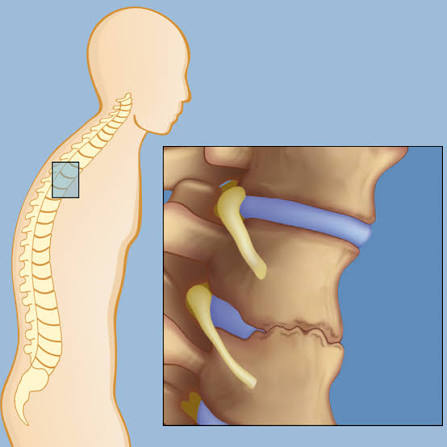
Over time, persistent inflammation can trigger the growth of new bone along the vertebrae, which may eventually fuse sections of the spine together, causing stiffness and reduced mobility.
AS is a lifelong condition, but it isn't the same for everyone — some people experience mild, manageable symptoms, while others face more significant spinal changes. What matters most is early recognition, since consistent treatment can slow the disease and help people stay active for decades.
Morning Stiffness: The Hallmark Symptom
Morning stiffness is often the very first clue that leads to an ankylosing spondylitis diagnosis, and it behaves differently from stiffness caused by ordinary muscle strain or a long day of physical work.
It typically affects the lower back, hips, and buttocks, often centred around the sacroiliac joints
The stiffness is usually at its worst right after waking up or after long periods of inactivity, such as sitting for hours or sleeping
Unlike mechanical back pain, this stiffness tends to improve with movement and light activity rather than getting worse
It commonly lasts 30 minutes or longer — a key detail doctors use to distinguish inflammatory stiffness from everyday muscular tightness
Over time, the stiffness may extend to other areas, including the neck and upper back, as inflammation progresses along the spine
This pattern — pain and stiffness that ease with movement but return after rest — is known as inflammatory back pain, and it's one of the strongest early indicators that points doctors toward ankylosing spondylitis rather than a mechanical spine issue like a muscle strain or disc problem.
Other Symptoms to Watch For
Persistent dull ache around the sacroiliac joints in the pelvis
Gradually reduced spinal flexibility as bony changes develop
Chest tightness or breathing difficulty if the joints connecting the ribs to the spine become involved
Alternating flare-ups of intense pain followed by calmer, symptom-light periods
Tenderness where tendons and ligaments attach to bone, especially around the heels and pelvis
Fatigue, which often accompanies the ongoing inflammation
Understanding the HLA-B27 Gene
HLA-B27 is a specific gene variant that plays the biggest known role in a person's risk of developing ankylosing spondylitis. This gene affects how the immune system identifies the body's own cells, and in people who carry it, the immune system appears more likely to trigger inflammation around the spine and joints.
- Around 90% of people diagnosed with ankylosing spondylitis test HLA-B27 positive, making it the strongest genetic marker linked to the condition
- Being HLA-B27 positive does not mean AS is guaranteed — only about 1 to 2% of people who carry the gene ever go on to develop the disease
- Doctors believe additional environmental or immune-related triggers must be present alongside the gene for AS to actually develop
- A simple blood test can check for the HLA-B27 gene, and it's often used alongside imaging to support a diagnosis, especially in early cases
- A negative HLA-B27 result doesn't fully rule out AS, since a small percentage of diagnosed patients don't carry the gene
Because HLA-B27 is so strongly associated with ankylosing spondylitis, doctors often use this test together with a person's symptom pattern and family history — a combination that's especially useful when imaging results are still inconclusive in early-stage disease.
How Ankylosing Spondylitis Is Diagnosed
Diagnosis usually starts with a discussion of your symptoms and a physical exam assessing spinal flexibility, posture, and how your pain responds to movement. From there, doctors typically combine:
- X-rays to detect joint changes and early bony fusion around the sacroiliac joints
- MRI scans to catch inflammation before it's visible on X-ray, useful in earlier stages of the disease
- Blood tests checking for the HLA-B27 gene and markers of inflammation, such as ESR or CRP levels
Treatment Options
There's currently no cure for ankylosing spondylitis, but non-surgical treatment can control symptoms effectively and slow the disease's progression:
- Physiotherapy focused on preserving spinal mobility, posture, and flexibility
- Core-strengthening and stretching exercises tailored to the spine
- Chest-expansion exercises to protect breathing capacity as the condition progresses
- Anti-inflammatory medication to manage pain and swelling, as advised by a doctor
- Posture training and ergonomic support to minimise stiffness during daily activities
Consistency matters most with ankylosing spondylitis — regular movement and physiotherapy tend to be far more effective long-term than rest, since inactivity often makes stiffness worse.
When to See a Spine Specialist
- Morning stiffness lasting more than 30 minutes, especially if it's persisted for several weeks
- Ongoing pain around the lower back, hipsor pelvis that doesn't ease with rest
- A family history of ankylosing spondylitis or related autoimmune conditions
- Noticeable breathing difficulty or reduced chest expansion
Since ankylosing spondylitis is progressive, catching it early — especially through recognising inflammatory morning stiffness or getting an HLA-B27 test when symptoms suggest it — gives the best chance of preserving spinal mobility and preventing long-term complications.
Book Spine Specialist Consultation