Forefoot Pain: March Fractures & Morton's Neuroma Treatment
A comprehensive clinical guide to understanding metatarsal stress fractures (March fractures), interdigital nerve entrapment (Morton's neuroma), forefoot biomechanical overload, precise diagnostics, and targeted non-surgical or surgical care options.
Book Free Consultation
Enter your details and our senior medical coordinator will reach out.
Understanding March Fractures & Morton's Neuroma
Forefoot pain can profoundly affect your ability to stand, walk, and engage in physical activities. Two of the most frequent and distinct causes of forefoot discomfort include March Fractures (stress fractures of the metatarsal bones, historically seen in soldiers on long marches) and Morton's Neuroma (painful thickening of the tissue surrounding the interdigital nerves, most commonly between the third and fourth toes).
While a March fracture involves micro-cracks in the bone from repetitive impact overloading, Morton's neuroma produces sharp, burning nerve pain, numbness, and the sensation of standing on a pebble or fold in your sock. Our clinic provides thorough clinical evaluations, imaging, and targeted non-surgical or surgical pathways tailored to your needs.
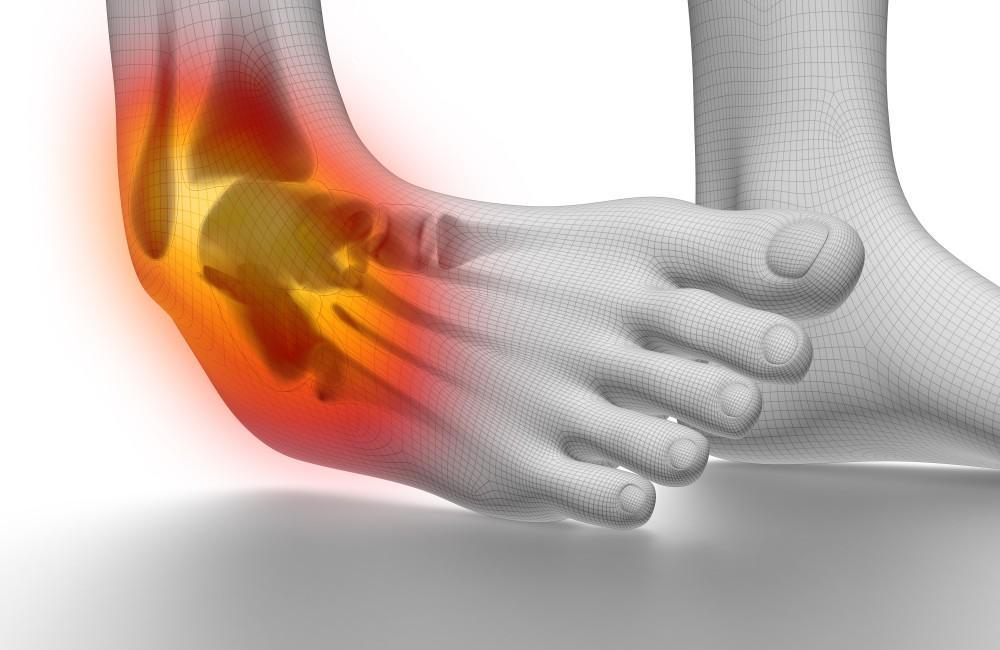
Symptoms of March Fractures & Morton's Neuroma
Do not ignore these physical signs associated with metatarsal bone stress and interdigital nerve entrapment:
Pinpoint Bone Tenderness
Focal, pinpoint pain and localized swelling over the shaft of a metatarsal bone (March Fracture).
Burning & Shooting Nerve Pain
Sharp burning pain, tingling, or numbness radiating into the adjacent toes (Morton's Neuroma).
Activity-Related Worsening
Pain that intensifies gradually with walking or running and subsides temporarily with rest.
Pebble-in-Shoe Sensation
The distinct feeling that a marble or fold in your sock is trapped beneath the ball of your foot.

What Causes March Fractures & Morton's Neuroma?
Metatarsal stress fractures and interdigital nerve compression stem from repetitive impact, footwear, and mechanical entrapment:
- Repetitive Impact Overloading (March Fracture): Sudden increases in walking, running, or marching mileage exceeding bone remodeling capacity.
- Nerve Compression in Narrow Shoes (Morton's Neuroma): Wearing tight, narrow-toed shoes or high heels that squeeze the metatarsal heads together around the nerve.
- Biomechanical Abnormalities: Bunions, hammertoes, or high arches altering forefoot pressure distribution.
- Altered Gait Mechanics: Weak calf muscles or abnormal foot pronation placing excessive shearing force on the forefoot.
Treatment Strategy & Forefoot Management
Managing forefoot conditions ranges from footwear modification and metatarsal pads to shockwave therapy and surgical decompression:
Offloading & Footwear Modification
Post-operative healing shoes or rigid boots for stress fractures, wide toe-box shoes, metatarsal dome pads, and custom orthotics.
Injections & Surgical Decompression
Ultrasound-guided corticosteroid or alcohol sclerosing injections for neuromas, and surgical neurectomy or metatarsal osteotomy for refractory cases.
How March Fractures & Morton's Neuroma Are Diagnosed
Our structured 4-tier clinical diagnostic protocol evaluates over 50 specific clinical and physical evaluation parameters for precise metatarsal stress fracture and interdigital nerve diagnosis.
1. History, Impact Volume & Forefoot Audit
Complete breakdown of marching/running mileage spikes, shoe box tightness, burning toe pain, and pin-point bone ache.
- Marching & Running Mileage Spikes: Documenting sudden increases in physical training load or walking distance.
- Tight Shoe & High Heel History: Inquiring about narrow toe-boxes squeezing forefoot metatarsals together.
- Burning & Numbness Onset: Tracking electric shooting pain and toe numbness characteristic of Morton's neuroma.
- Pinpoint Bone Pain (Stress Fracture): Noting insidious, deep bone ache worsening with every step.
- Shoe Removal Relief: Observing if taking off shoes and rubbing forefoot eases neuroma burning.
- Medication Efficacy Review: Documenting response to anti-inflammatory drugs or padding.
- Visual Analog Scale (VAS): Recording resting, walking, and impact pain scores (0-10 scale).
- Baseline Foot Function Index (FFI): Measuring forefoot functional disability.
- Training Surface Changes: Tracking transitions to hard concrete or military marching surfaces.
- Symptom Duration: Acute stress reaction vs chronic nerve entrapment.
- Bone Health & Nutrition: Screening vitamin D and calcium intake in stress fracture cases.
- Previous Orthotic Trial: Assessing past use of metatarsal pads.
- Patient Occupational Goals: Aligning recovery with standing work and athletic return.
- Bilateral Involvement Check: Assessing if one or both feet are symptomatic.
2. Stress Fracture vs Neuroma vs Capsulitis Differential
Differentiating metatarsal stress fractures from Morton's neuroma, MTP joint capsulitis, and Freiberg's infraction.
- March Fracture vs Morton's Neuroma: March fractures cause focal cortical bone pain and swelling on metatarsal shaft; neuromas cause interdigital burning and numbness without bone tenderness.
- MTP Joint Capsulitis: Differentiating localized inflammation at base of toes from interdigital nerve entrapment.
- Freiberg's Infraction: Screening avascular necrosis of second metatarsal head in adolescents.
- Tarsal Tunnel Syndrome: Ruling out tibial nerve compression higher up in ankle referring symptoms to toes.
- Gout / Crystal Arthropathy: Ruling out acute first MTP joint gout flare mimicking forefoot pain.
- Complete Neurological & Vascular Examination: Confirming normal dorsal pedal pulses and toe sensation.
- Inflammatory Arthritis Screening: Ordering blood tests for rheumatoid or psoriatic arthritis affecting small foot joints.
- Plantar Plate Tear: Differentiating MTP joint instability from neuroma pain.
- Infection / Osteomyelitis Rule-Out: Screening bone infection.
- Referred Lumbar Radiculopathy (L5/S1): Ensuring forefoot numbness isn't originating from lower back.
- Clinical Synthesis: Integrating physical tests with imaging.
3. Physical Exam & Special Tests
Mulder's click test, metatarsal shaft palpation, vibration tuning fork test, and digital compression testing.
- Mulder’s Click Test (Neuroma): Squeezing metatarsal heads together with one hand while pressing webspace with other; a distinct click and pain reproduction indicates neuroma.
- Metatarsal Shaft Direct Palpation (Stress Fracture): Pinpointing focal cortical tenderness and swelling along 2nd or 3rd metatarsal bone.
- Vibration Tuning Fork Test: Placing vibrating fork over metatarsal shaft to elicit deep bone stress fracture pain.
- Digital Compression Test: Squeezing adjacent toes together to provoke interdigital nerve pain.
- Active & Passive ROM Goniometry: Measuring toe MTP and interphalangeal joint flexibility.
- Forefoot Callus Inspection: Identifying abnormal plantar pressure distribution patterns.
- Lachman Test of MTP Joints: Checking plantar plate stability.
- Single-Leg Hop Test: Evaluating forefoot impact tolerance.
- Gait & Stance Phase Observation: Evaluating forefoot push-off mechanics.
- Sensory Touch & Pinprick Testing: Evaluating interdigital webspace sensation.
- Physical Baseline Record: Documenting Mulder click presence and metatarsal shaft tenderness grade for tracking.
4. Radiographs, Ultrasound, MRI & Roadmap
Weight-bearing foot X-rays (stress fracture callus visualization), high-resolution ultrasound, MRI, and forefoot care roadmap.
- Weight-Bearing Foot Radiographs (AP, Lateral & Oblique): Visualizing metatarsal cortical stress fracture callus formation or hairline cracks (note: early stress fractures may not appear on initial X-rays for 2-3 weeks).
- High-Resolution Musculoskeletal Ultrasound: Dynamic imaging confirming Morton's neuroma bulbous nerve thickening (>5mm) and interdigital bursal fluid.
- High-Resolution Foot MRI: Definitive cross-sectional imaging visualizing occult metatarsal stress fractures and interdigital neuromas.
- Rigid Offloading Boot / Post-Op Shoe Protocol: Protecting March fractures with rigid sole immobilization for 4 to 6 weeks.
- Ultrasound-Guided Corticosteroid / Alcohol Sclerosing Injections: Precision infiltration into interdigital webspace for neuroma pain relief.
- Custom Metatarsal Pad & Orthotic Prescription: Fabricating arch supports with metatarsal domes to spread metatarsal heads and offload nerve/bone pressure.
- Multi-Specialist Podiatry & Orthopedic Panel: Collaborative podiatrist, orthopedic specialist, and physical therapist review.
- Digital Archiving: Secure cloud storage of foot X-rays, MRI scans, and FFI scores in patient portal.
- Final Clinical Clearance: Approving pain-free return to walking, running, and wide-toe footwear.
- Footwear Modification Briefing: Educating on avoiding narrow toe-boxes and high heels.
- Home Exercise Program Design: Tailoring independent toe and foot intrinsic strengthening routines.
- Long-Term Forefoot Protection Briefing: Educating on training load management and bone health nutrition.
March Fracture / Metatarsal Stress Fracture
A March Fracture (historically named for soldiers experiencing stress fractures during long marches) is a hairline crack in one of the metatarsal bones of the foot—most frequently occurring in the second or third metatarsal shaft. It is classified as an overuse stress fracture caused by repetitive submaximal impact loading exceeding the bone's normal remodeling rate.
Patients develop insidious, deep forefoot bone pain that worsens progressively with continued walking or running. Because initial X-rays can appear completely normal during the first 2-3 weeks, high-resolution ultrasound or MRI is often utilized for early confirmation. Management requires rigid offloading in a post-op shoe or boot for 4 to 6 weeks.
- Repetitive Submaximal Impact: Managing bone fatigue and micro-cracking along the 2nd or 3rd metatarsal shafts.
- Occult Early X-Ray Appearance: Recognizing that early stress fractures require 2-3 weeks to show callus formation on radiographs.
- Rigid Offloading Protocols: Utilizing post-op healing shoes or rigid walking boots to ensure complete cortical bone healing.
March Fracture Key Focus Areas
- Vibration tuning fork and focal shaft palpation testing
- Weight-bearing foot radiographs and MRI for early stress reactions
- Rigid post-op shoe or walking boot offloading (4-6 weeks)
- Bone health nutrition (Vitamin D and calcium optimization)
Morton's Neuroma
Morton's Neuroma is a painful condition affecting the interdigital nerves of the foot, most commonly developing in the web space between the third and fourth toes. It involves a benign thickening (fibrosis) of the nerve tissue that occurs as the nerve is compressed and irritated by adjacent metatarsal bones and tight footwear.
Patients experience sharp burning pain, tingling, numbness, and the distinct sensation of standing on a pebble or fold in their sock. Diagnosis is confirmed via Mulder's click test and musculoskeletal ultrasound or MRI. Treatment ranges from wide toe-box shoes and metatarsal dome pads to corticosteroid injections or surgical nerve decompression.
- Interdigital Nerve Thickening: Managing perineural fibrosis typically between the 3rd and 4th metatarsal heads.
- Mulder's Click Sign: Utilizing forefoot compression to reproduce interdigital nerve clicking and pain.
- Footwear Modification: Eliminating narrow toe-boxes and high heels that squeeze metatarsal heads together.
Morton's Neuroma Key Focus Areas
- Mulder's click test and interdigital webspace compression
- High-resolution ultrasound measurement of nerve thickening (>5mm)
- Metatarsal dome pads and wide toe-box footwear prescription
- Ultrasound-guided corticosteroid or alcohol sclerosing injections
Meet Our Forefoot Pain Experts
Specialized care focused on managing Forefoot Pain, reducing discomfort in the front of the foot, improving foot mobility, supporting balanced movement, and helping restore comfortable walking through personalized physiotherapy and rehabilitation.
Ask Our Specialist
Personalized Forefoot Pain rehabilitation focused on improving forefoot and toe mobility, strengthening supportive muscles, enhancing walking mechanics, managing activity-related discomfort, and supporting a gradual return to comfortable everyday movement according to individual needs.
Treatment Videos/testimonials
Watch real recovery video from patients who overcame March fractures and Morton's neuroma.
Patient Recovery Story
Real experiences. Better mobility.
Patient Recovery Story
Real patient experiences and recovery journeys.
Frequently Asked Questions
Clear answers to common clinical questions about March fractures, Morton's neuroma, and treatments.