Lumbar Back Muscle Spasm: Causes, Symptoms and Treatment
A comprehensive medical guide to understanding sudden lumbar muscle tightening, protective responses, diagnosis, and relief options.
Book Free Consultation
Enter your details and our senior medical coordinator will reach out.
What Is a Lumbar Muscle Spasm?
A lumbar back muscle spasm is a sudden, involuntary tightening of the muscles in the lower back, often triggered as a protective response to strain, injury, or irritation in the spine.
The muscle contracts and locks up to limit movement and prevent further damage, which is why spasms can feel intensely painful and make even simple actions like standing or bending difficult.
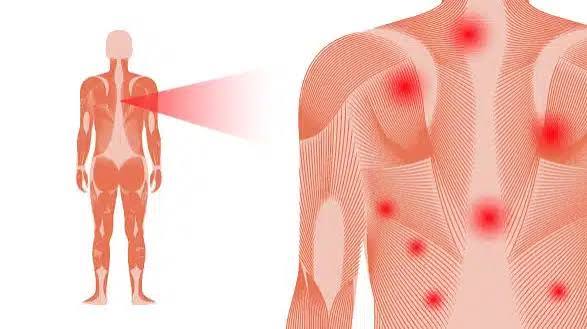
Common Symptoms
Do not ignore these physical indicators associated with acute lower back spasms:
Sudden Tightening
Sudden, sharp tightening or cramping in the lower back muscles.
Posture Lock
Sharp pain that can make it hard to stand up straight or move freely.
Muscle Stiffness
Severe stiffness that heavily limits bending, lifting, or twisting.
Palpable Knots
A visible or palpable knot in the affected lower back muscle area.
What Causes It?
- Sudden or awkward movement, such as twisting while lifting
- Overuse from repetitive bending or heavy lifting
- Poor posture, especially during prolonged sitting
- Muscle weakness or poor core strength
- Dehydration or electrolyte imbalance affecting muscle function
- An underlying issue such as a disc problem or spinal joint irritation triggering a protective spasm
How Lumbar Spasms Are Diagnosed
Our structured 4-tier comprehensive diagnostic protocol maps over 60 specific clinical history, physical examination, and spinal screening parameters.
1. Medical History & Onset
Detailed logging of lifting incidents, sudden lock-ups, and pain triggers.
- Incident Onset: Recording if spasm began instantly during heavy lifting or twisting.
- Pain Location: Identifying exact lower back region affected by muscle locking.
- Pain Intensity: Scoring acute locking severity on standard pain scales.
- Locking Character: Describing cramping, catching, or rigid muscle contractions.
- Postural Lock Check: Recording inability to straighten up or stand vertically.
- Rest vs Activity: Checking if lying down relieves cramping or if pain persists.
- Previous Spasm History: Reviewing recurring lower back locking episodes.
- Lifting Mechanics Review: Checking form during recent heavy items lifting.
- Occupational Strain: Evaluating prolonged sitting or physical job demands.
- Hydration & Diet: Screening for dehydration or electrolyte depletion triggers.
- Radiating Pain Screen: Checking if discomfort travels past the buttock into legs.
- Morning Rigidity: Evaluating stiffness experienced upon waking up.
- Cough/Sneeze Impact: Checking if sudden trunk pressure spikes muscle cramping.
- Previous Spinal Trauma: Documenting historical back injuries or accidents.
- Medication Review: Recording over-the-counter painkiller or muscle relaxant usage.
- Sleep Disruption: Assessing if back tightness interferes with resting comfort.
- Core Fitness Level: Reviewing routine exercise habits and abdominal strength.
- Associated Symptoms: Screening for numbness, tingling, or lower limb weakness.
- Activity Limitations: Assessing impact on daily mobility and work.
- Overall Health Overview: Comprehensive medical status summary.
2. Physical Examination
Hands-on palpation of muscle knots, posture checks, and movement screening.
- Muscle Palpation: Identifying hypertonic ropiness and trigger knots in lumbar muscles.
- Posture Observation: Checking for protective lateral shift or forward flexion lean.
- Spinal Range of Motion: Testing restricted lumbar flexion, extension, and rotation.
- Straight Leg Raise Test: Checking nerve tension and ruling out lumbar disc herniation.
- Neurological Screening: Testing lower limb reflexes, muscle power, and light touch.
- SI Joint Stress Tests: Evaluating sacroiliac joint contribution to lower back pain.
- Facet Joint Loading: Testing extension and rotation to screen for facet arthropathy.
- Hip Mobility Assessment: Checking internal/external hip rotation ranges.
- Gait & Stride Analysis: Observing walking pattern and compensatory limping.
- Tenderness Mapping: Pinpointing local soft-tissue versus deep skeletal pain.
- Core Endurance Screen: Evaluating stabilizing muscle function when spasm permits.
- Pelvic Symmetry Check: Assessing level of iliac crests and leg length discrepancies.
- Piriformis Stretch Test: Checking deep gluteal muscle tightness.
- Abdominal Wall Check: Screening for visceral or anterior abdominal muscle guarding.
- Standing Balance Test: Evaluating neuromuscular stability under pain.
- Transition Observation: Watching patient move from sitting to standing exam table.
- Muscle Guarding Evaluation: Assessing involuntary stiffness protection.
- Flexibility Testing: Checking hamstring and lower back tightness.
- Functional Screening: Observing basic transitional movements.
- Physical Summary: Compiling exam findings.
3. Imaging & Differential Exclusion
X-rays, MRI scans, fracture exclusion, and clinical diagnosis.
- Lumbar X-Ray: Standard views to check vertebrae alignment and rule out bone pathology.
- MRI Scan Evaluation: Checking for underlying disc herniations or spinal stenosis causing secondary spasms.
- Fracture Exclusion: Ruling out traumatic bone cracks or compression fractures.
- Blood Inflammatory Tests: Running ESR and CRP tests to check for systemic inflammation.
- Complete Blood Count (CBC): Screening for infection or systemic causes of back fatigue.
- Electrolyte Panel: Checking calcium, potassium, and magnesium levels affecting muscle cramps.
- Differential Diagnosis: Distinguishing simple muscular strain from disc bulges, spondylolisthesis, or facet lock.
- Nerve Compression Screening: Verifying if radicular symptoms require advanced neuro-imaging.
- Spondylolisthesis Check: Assessing vertebral slippage on flexion-extension X-rays.
- Kidney & Visceral Exclusion: Ruling out referred organ pain mimicking back muscle spasms.
- Chronic Pain Review: Re-evaluating persistent spasms unresponsive to initial muscle relaxants.
- Bone Density Scan (DEXA): Screening for osteoporosis in older patients presenting with acute back strain.
- CT Scan Imaging: Providing high-detail bone visualization when X-rays are inconclusive.
- Soft Tissue Ultrasound: Evaluating deep muscular tears or hematomas when indicated.
- Referred Pain Analysis: Confirming muscle origin versus hip joint referral patterns.
- Final Clinical Diagnosis: Synthesizing physical findings, history, and negative red flags into a definitive diagnosis.
- Digital Record Archiving: Secure storage of diagnostic files.
- Specialist Review: Peer consultation for complex cases.
- Risk Stratification: Assessing recurrence likelihood.
- Diagnostic Confirmation: Final report completion.
4. Treatment & Recovery Plan
Targeted muscle relaxation, gentle mobilization, and core strengthening.
- Acute Pain Management: Gentle modalities to calm hypertonic muscle spasms and reduce inflammation.
- Myofascial Release: Hands-on soft tissue therapy to release trigger points and knots.
- Gentle Spinal Mobilization: Restoring normal joint movement once acute locking subsides.
- Core Stabilization Training: Rebuilding deep abdominal and lower back support.
- Ergonomic & Lifting Education: Correcting posture and teaching safe bending mechanics.
- Home Stretching Routine: Prescribing safe lower back and hamstring flexibility exercises.
- Heat & Cold Therapy: Guidance on alternating ice and heat packs to manage spasms at home.
- Hydration & Electrolyte Care: Nutritional advice to prevent recurring muscle cramping.
- Activity Modification: Advising short-term pacing to avoid aggravating healing tissues.
- Postural Re-education: Retraining neutral spine habits during work hours.
- Milestone Progress Tracking: Monitoring recovery week by week.
- Regular Clinical Follow-ups: Periodic evaluations with care specialists.
- Patient Self-Care Briefing: Clear instructions on handling minor flare-ups safely.
- Long-Term Prevention Strategy: Protecting the lower back from future locking events.
- Maintenance Care Routines: Preserving long-term spinal mobility.
- Re-injury Prevention: Workspace adjustments and lifting safety tips.
- Flexibility Enhancement: Lengthening tight posterior muscle chains.
- Specialist Consult Coordination: Managing multidisciplinary therapy if needed.
- Recovery Milestone Review: Assessing treatment success.
- Active Lifestyle Clearance: Final approval for return to full activities.
Treatment Options
Most lumbar muscle spasms settle within a few days to a couple of weeks with simple, non-surgical care, though ongoing core-strengthening exercises can help prevent repeat episodes:
- Short-term rest, avoiding movements that trigger pain
- Heat therapy to relax tight muscles and improve blood flow
- Gentle stretching and light movement as pain allows
- Pain-relief or muscle-relaxant medication, as advised by a doctor
- Physiotherapy to correct posture and strengthen supporting muscles
- Massage therapy to ease muscle tension
Lumbar muscle spasms can cause sudden lower back pain, tightness, and difficulty bending or moving comfortably. Care may include clinical assessment, identifying possible triggers, suitable treatment options, gentle movement guidance, and an individualized rehabilitation plan designed around your symptoms and recovery goals.
Patient Experiences
No patient videos available.
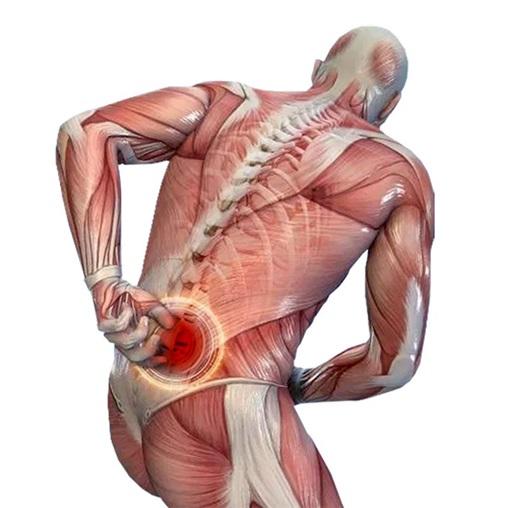
Why do lower back muscles lock up?
Spasms act as an involuntary protective shield when spinal tissues experience sudden strain or micro-tears...

Is heat or cold better for acute spasms?
Applying heat relaxes tight muscle fibers and promotes blood circulation, while ice helps in the first 48 hours for swelling...
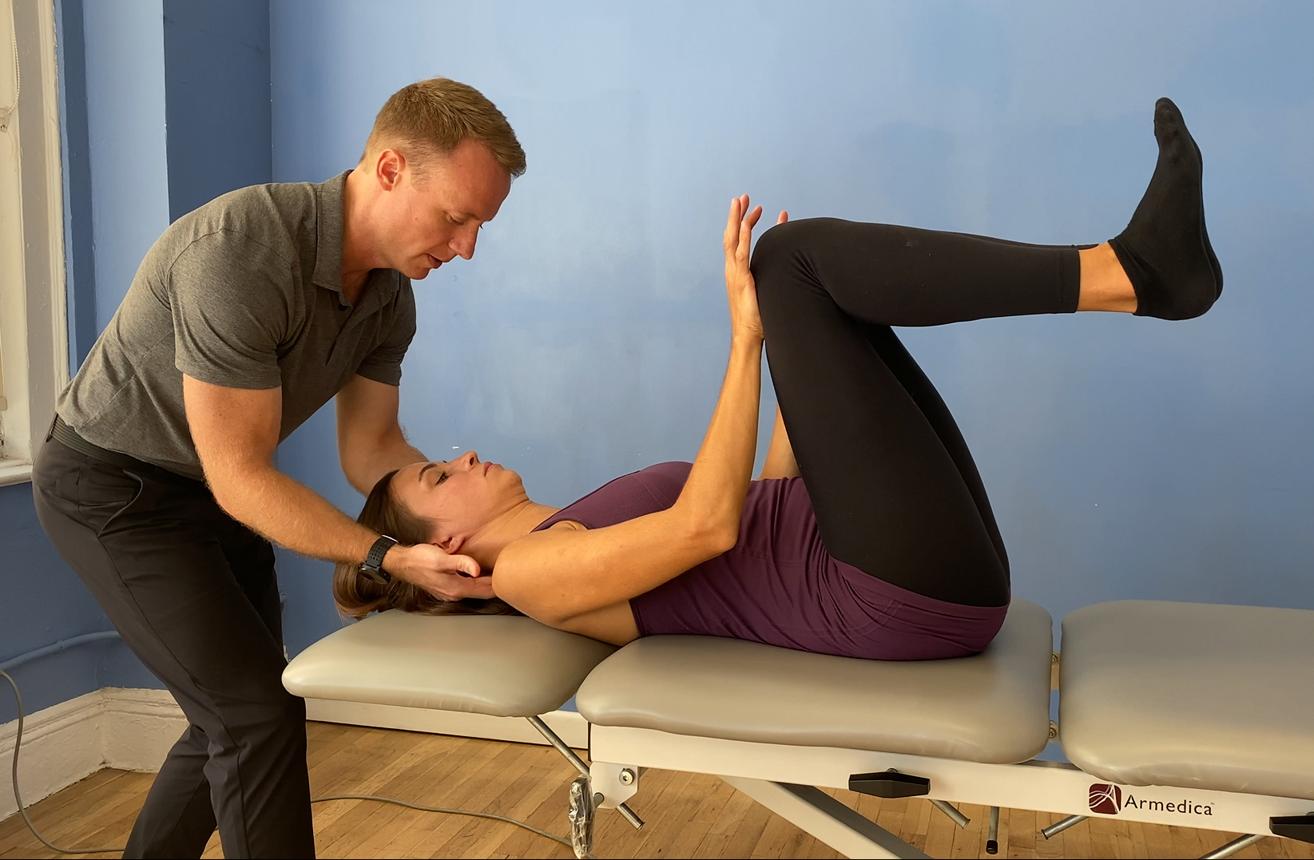
How core strength prevents recurrent spasms
Strong abdominal and back muscles support the spine, reducing the load on lower back tissues and preventing future lock-ups...
When to See a Spine Specialist
Seek prompt medical care if you experience:
- Spasms that persist beyond two weeks or keep recurring
- Pain radiating into the leg, along with tingling or numbness
- Weakness in the legs or difficulty walking
- Spasms following a fall, accident, or injury
While an occasional muscle spasm is common and usually harmless, frequent or severe episodes deserve a proper evaluation to rule out an underlying spinal cause.
Book Spine Specialist Consultation