Understanding Adductor Tendinitis
Adductor tendinitis is an overuse injury affecting the tendons of the inner thigh muscles that pull the leg toward the body's midline.
It is especially common among athletes involved in sports requiring quick changes of direction, such as football, hockey, and skating. The condition causes groin pain that can range from a mild ache during activity to sharp, limiting pain that affects everyday walking, making early recognition and proper rehabilitation important for a full return to sport.
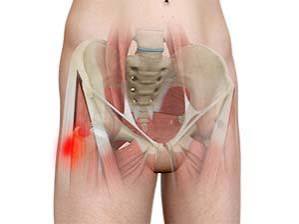
What Causes Adductor Tendinitis?
- Repetitive sprinting, cutting, or kicking motions in sport-specific settings
- Sudden increases in training intensity without adequate underlying physical conditioning
- Muscle imbalances between the inner thigh adductors and abdominal or hip stabilizing muscles
- Inadequate warm-up routines before high-intensity physical activity
- Previous groin injuries that were not fully rehabilitated before returning to play
Symptoms
- Pain at the inner thigh, often localized near the pubic bone tendon attachment
- Discomfort that worsens significantly with sprinting, kicking, or sudden directional changes
- Tenderness when palpating along the adductor tendon
- Pain experienced during resisted leg adduction (squeezing the legs together)
- Stiffness in the groin area after periods of rest
Diagnosis
A physiotherapist or sports medicine physician typically diagnoses adductor tendinitis through a thorough clinical history of aggravating activities combined with precise palpation of the tendon and specific resisted strength tests.
Ultrasound or MRI imaging may be utilized in more persistent or severe cases to assess the degree of tendon involvement and rule out an acute muscle tear.
Treatment Strategy
- Relative rest: Pausing aggravating sporting activity during the acute inflammatory phase
- Progressive strengthening: Adductor exercises starting with isometrics and advancing to dynamic loading
- Flexibility care: Gentle stretching introduced gradually as pain allows to address associated tightness
- Symptom management: Ice therapy and anti-inflammatory measures for acute relief
- Core stability: Dedicated core and hip stability training to reduce recurrence risk
- Return-to-play: A structured, sport-specific progression before resuming full competitive training
Preventing Recurrence in Athletes
Because adductor tendinitis is closely tied to sport-specific loading patterns, prevention focuses on adequate pre-season conditioning, gradual increases in training volume, and ongoing adductor and core strengthening programs, which have been shown to significantly reduce the risk of groin injuries in field and ice sports.
Frequently Asked Questions
How long does adductor tendinitis take to recover?
Mild cases often improve within two to four weeks, while more significant or chronic cases can take several weeks to months of structured rehabilitation before a safe, full return to sport.
Can I keep training with adductor tendinitis?
Light, pain-free activity and modified training are often possible, but high-intensity sprinting or kicking should be paused until the tendon can tolerate mechanical load without provoking symptoms.
What's the difference between adductor tendinitis and a groin strain?
A groin strain typically involves an acute, sudden tear within the muscle belly, while adductor tendinitis is a gradual overuse injury affecting the tendon itself, usually presenting with a slower onset of symptoms.
Do I need imaging for adductor tendinitis?
Not always. Many cases can be accurately diagnosed clinically, but imaging may help if symptoms are severe, persistent, or if a structural tear is suspected rather than tendinitis alone.
Take Care of Your Hip Health
Concerned about groin pain or looking for a specialist diagnosis? Book a consultation today with our orthopedic experts.
Book Hip Specialist Consultation