Why Does Back Pain Happen During Pregnancy?
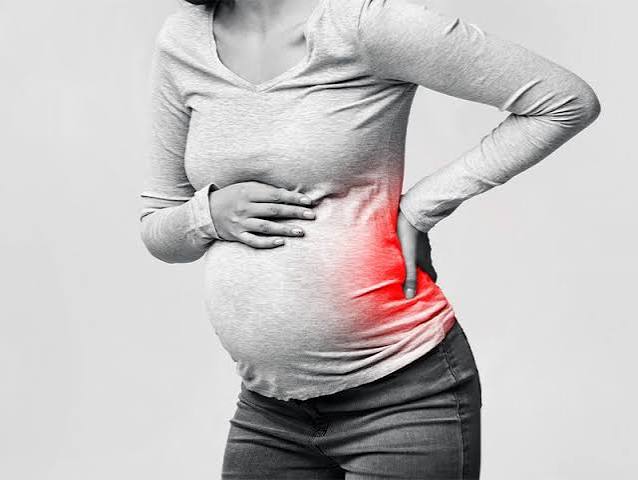
Back pain is one of the most common complaints during pregnancy, affecting a large majority of expecting mothers at some stage.
As the body adapts to support a growing baby, shifting weight, loosening ligaments, and postural changes all place extra strain on the lower back and pelvis.
While uncomfortable, it's usually a normal part of pregnancy rather than a sign of a serious problem.
Common Symptoms
A dull ache or sharp pain in the lower back
Pain around the pelvis, hips, or tailbone
Discomfort that worsens with standing, walking, or sitting for long periods
Pain that intensifies toward the end of the day
Stiffness when getting up from a chair or bed
Occasional pain radiating into the buttock or thigh
What Causes Pregnancy Back Pain?
- Weight gain adding extra load on the spine and pelvis
- A shifting centre of gravity that changes posture and spinal curve
- Hormonal changes, particularly relaxin, which loosens pelvic ligaments to prepare for childbirth
- Weakened core and abdominal muscles as the uterus expands
- Stress affecting muscle tension in the back
- Pre-existing back conditions that can flare up under added strain
How It's Evaluated
In most cases, pregnancy back pain is diagnosed through a simple discussion of symptoms and a physical exam checking posture, movement, and pain patterns.
Imaging tests are avoided where possible during pregnancy and are only considered if there are red-flag symptoms like leg weakness, numbness, or pain that doesn't fit the usual pregnancy pattern.
Safe Ways to Manage Pregnancy Back Pain
Always check with your doctor or a physiotherapist experienced in prenatal care before starting any exercise or treatment during pregnancy, since the right approach can vary by trimester and individual health.
- Pregnancy-safe physiotherapy and gentle stretching, guided by a professional
- Maintaining good posture while sitting, standing, and sleeping
- Supportive footwear and avoiding high heels
- A pregnancy support belt to ease pelvic and lower back strain
- Sleeping on your side with a pillow between the knees for spinal support
- Heat therapy for localised muscle relief
- Light, pregnancy-approved exercise such as walking or prenatal yoga
When to See a Doctor
- Severe pain that doesn't ease with rest or position changes
- Numbness, tingling, or weakness in the legs
- Pain accompanied by fever, bleeding, or contractions
- Rhythmic or cramping lower back pain, which can signal labour
Most pregnancy back pain is manageable and improves after delivery, but persistent or unusual symptoms are always worth discussing with your doctor for peace of mind and proper care.
Book Prenatal Consultation