Understanding Adductor Bursitis
Adductor bursitis is a less common but important cause of inner groin and thigh pain, resulting from inflammation of the small fluid-filled sac cushioning the adductor tendons near their attachment to the pelvis.
While it shares some overlap with adductor tendinitis, adductor bursitis specifically involves the bursa rather than the tendon fibers themselves, and distinguishing between the two guides more precise, effective treatment.
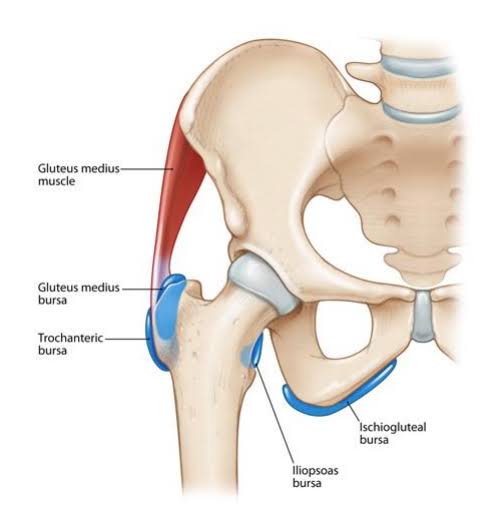
Bursitis vs. Tendinitis
- Involvement: Bursitis involves inflammation of the fluid-filled bursa cushioning the tendon-bone junction, whereas tendinitis involves the tendon fibers themselves
- Tenderness pattern: Bursitis pain typically presents as a more localized, pinpoint tenderness with potential swelling, while tendinitis pain is more diffuse along the tendon's length
- Healing response: Bursitis may respond faster to anti-inflammatory measures and rest, whereas tendinitis usually requires progressive loading exercises for full recovery
- Coexistence: The two conditions can coexist, particularly after prolonged overuse of the inner thigh muscles
Symptoms of Adductor Bursitis
- Localized tenderness felt deep in the groin near the pubic bone
- Pain that may worsen with direct pressure, such as sitting on a hard surface
- Discomfort during activities involving hip adduction or rotational movement
- Mild localized swelling in more pronounced cases
- Pain that can be aggravated by prolonged walking or standing
Causes
- Repetitive friction from sports involving lateral cutting movements or kicking
- Direct trauma to the inner thigh or groin region
- Prolonged pressure or repetitive rubbing against the bursa during cycling or horseback riding
- Underlying biomechanical imbalances placing excess mechanical strain on the adductor region
Treatment Approach
- Rest: Pausing the specific aggravating activity to allow bursal inflammation to settle
- Ice therapy: Applying cold packs in the acute phase to reduce swelling and discomfort
- Gentle stretching: Introduced once acute pain eases, avoiding aggressive stretching early on
- Medication: Anti-inflammatory drugs for short-term symptom relief
- Injections: Corticosteroid injection for persistent, well-localized cases unresponsive to conservative measures
- Activity progression: Gradual return to sport-specific movement patterns under professional guidance
Recovery Outlook
Adductor bursitis generally responds very well to a combination of rest, targeted anti-inflammatory care, and a gradual return to activity. Because ongoing biomechanical strain can contribute to recurrence, addressing any underlying muscle imbalance or technique issue is an important part of long-term management.
Frequently Asked Questions
How is adductor bursitis diagnosed?
Diagnosis is typically clinical, based on localized tenderness over the bursa and a history consistent with repetitive strain, with ultrasound sometimes used to confirm bursal swelling in uncertain cases.
Is adductor bursitis serious?
Adductor bursitis is generally not a serious condition and responds well to conservative treatment, though persistent or recurrent cases should be assessed to rule out contributing structural factors.
Can I still exercise with adductor bursitis?
Low-impact activity that doesn't directly load or compress the adductor region is often fine, while activities involving repetitive hip adduction should be modified until symptoms settle.
Does adductor bursitis require surgery?
Surgery is rarely needed for adductor bursitis; the vast majority of cases resolve successfully with rest, anti-inflammatory management, and guided rehabilitation.
Take Care of Your Hip Health
Concerned about groin pain or looking for a specialist diagnosis? Book a consultation today with our orthopedic experts.
Book Hip Specialist Consultation