What Is DISH?
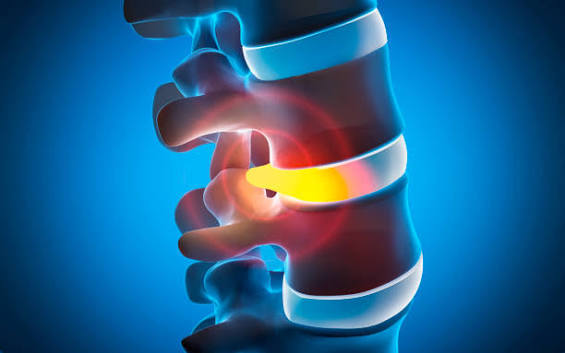
Diffuse Idiopathic Skeletal Hyperostosisor DISH, is a condition where ligaments along the spine gradually harden and calcify, forming bony growths that can bridge adjacent vertebrae.
Unlike typical spinal arthritis, DISH mainly affects the ligaments rather than the joints or discs.
It most often develops in the mid and lower back, tends to appear after middle age, and progresses slowly, sometimes without causing any noticeable symptoms for years.
Common Symptoms
Stiffness in the back, especially noticeable in the morning
Reduced flexibility and a limited range of motion in the spine
Mild to moderate back pain that develops gradually
Difficulty bending, twistingor turning the torso
In advanced cases, difficulty swallowing if bony growths affect the neck
Many people remain symptom-free and are diagnosed incidentally on imaging
What Causes DISH?
- The exact cause remains unclear, though several factors raise the risk
- Type 2 diabetes and insulin resistance
- Obesity and metabolic syndrome
- Long-term use of certain medications, such as retinoids
- Advancing age, with DISH more common after 50
- A family history of the condition in some cases
How It's Diagnosed
DISH is usually identified through X-rays, which show characteristic bony bridging along the front of the spine.
A CT scan can offer a more detailed view of the extent of calcification, while blood sugar and metabolic tests may be recommended to check for underlying diabetes or related conditions often linked to DISH.
Treatment Options
There's no cure for DISH, but most cases are managed well through lifestyle changes and physiotherapy that preserve mobility and slow further progression.
- Physiotherapy to maintain flexibility and prevent further stiffness
- Regular low-impact exercise, such as walking or swimming
- Pain-relief or anti-inflammatory medication, as advised by a doctor
- Managing underlying conditions like diabetes or obesity
- Posture support and ergonomic adjustments for daily comfort
- Surgery, rarely required, considered only if bony growths affect swallowing or nerve function
When to See a Spine Specialist
- Persistent back stiffness or pain that limits daily movement
- Difficulty swallowing or breathing
- Numbness, tinglingor weakness suggesting nerve involvement
- Sudden worsening of spinal flexibility
Since DISH progresses gradually, early diagnosis and consistent management help maintain spinal flexibility and prevent complications over time.
Book Spine Specialist Consultation