Professional Relief From Neck Pain & Cervical Issues
Experience world-class non-surgical evaluation and customized cervical spine rehabilitation plans designed to treat root causes of neck strain and restore active lifestyle freedom.
Book Free Consultation
Enter your details and our senior medical coordinator will reach out.
Understanding Your Neck Health
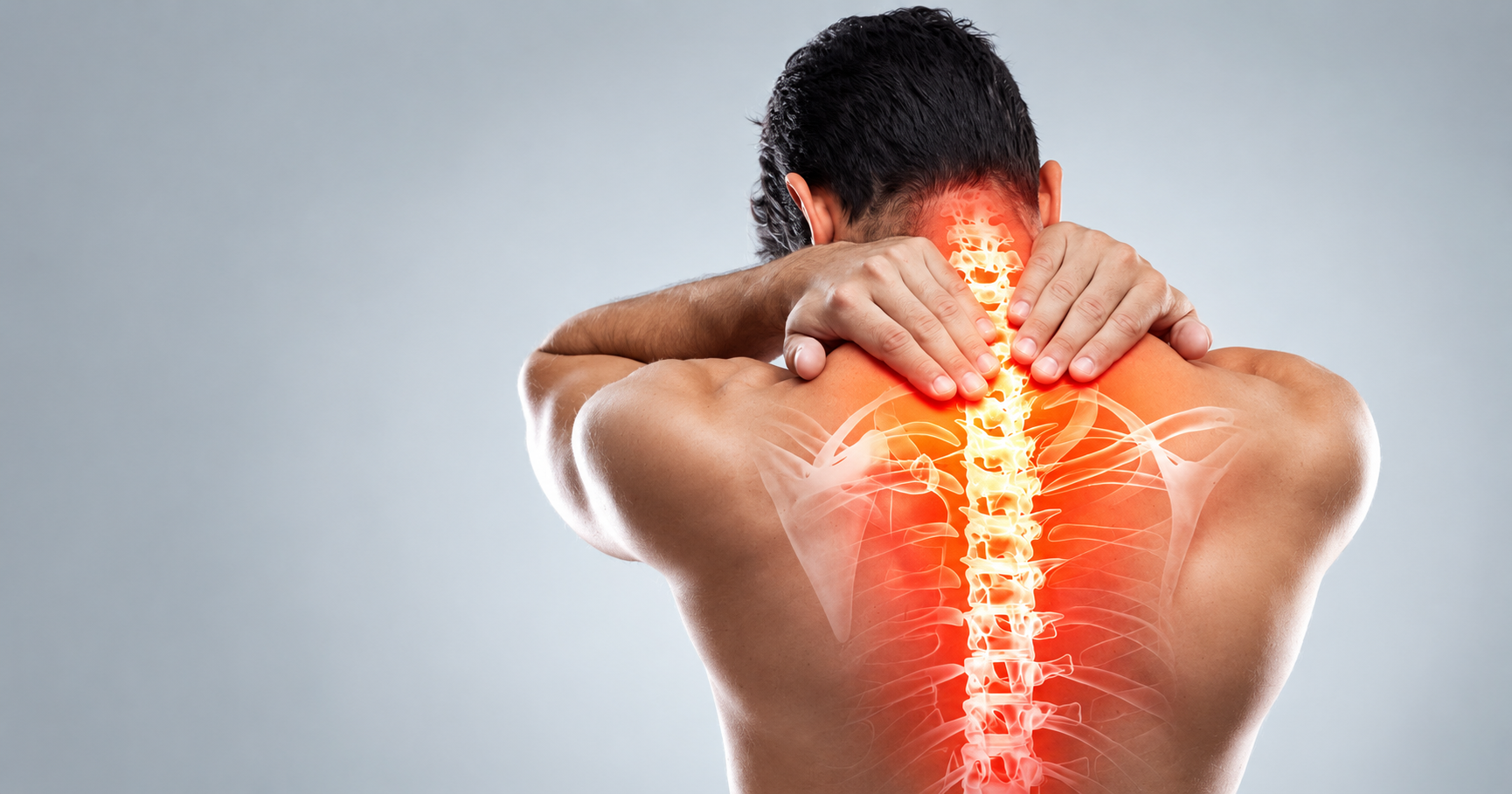
Neck pain and cervical stiffness can significantly impact your overall health, daily work productivity, and sleep quality. What may begin as mild muscle tension, tech-neck posture fatigue, or occasional discomfort can gradually become persistent pain that limits head rotation and quality of life. In many cases, neck issues may also involve sharp, shooting, or radiating pain traveling down into the arms and fingers.
Our clinic focuses on identifying and addressing the underlying biomechanical triggers behind your cervical discomfort rather than simply providing temporary symptom relief. We take a comprehensive approach to understand how screen posture, workstation ergonomics, muscle imbalances, and cervical joint function may be contributing to your condition.
Common Symptoms To Watch Out For
Do not ignore these physical red flags that indicate cervical spine and nerve stress:
Cervical Stiffness
Dull, aching, or sharp neck pain that worsens significantly with movement or prolonged sitting.
Restricted Mobility
Stiffness that severely limits turning, tilting, or flexing the head comfortably.
Radiating Paresthesia
Pain, tingling, or numbness radiating into the shoulders, shoulder blades, arms, or fingers.
Cervicogenic Headaches
Headaches starting at the base of the skull and spreading upward to the temples.
Why Does Neck Pain Develop?
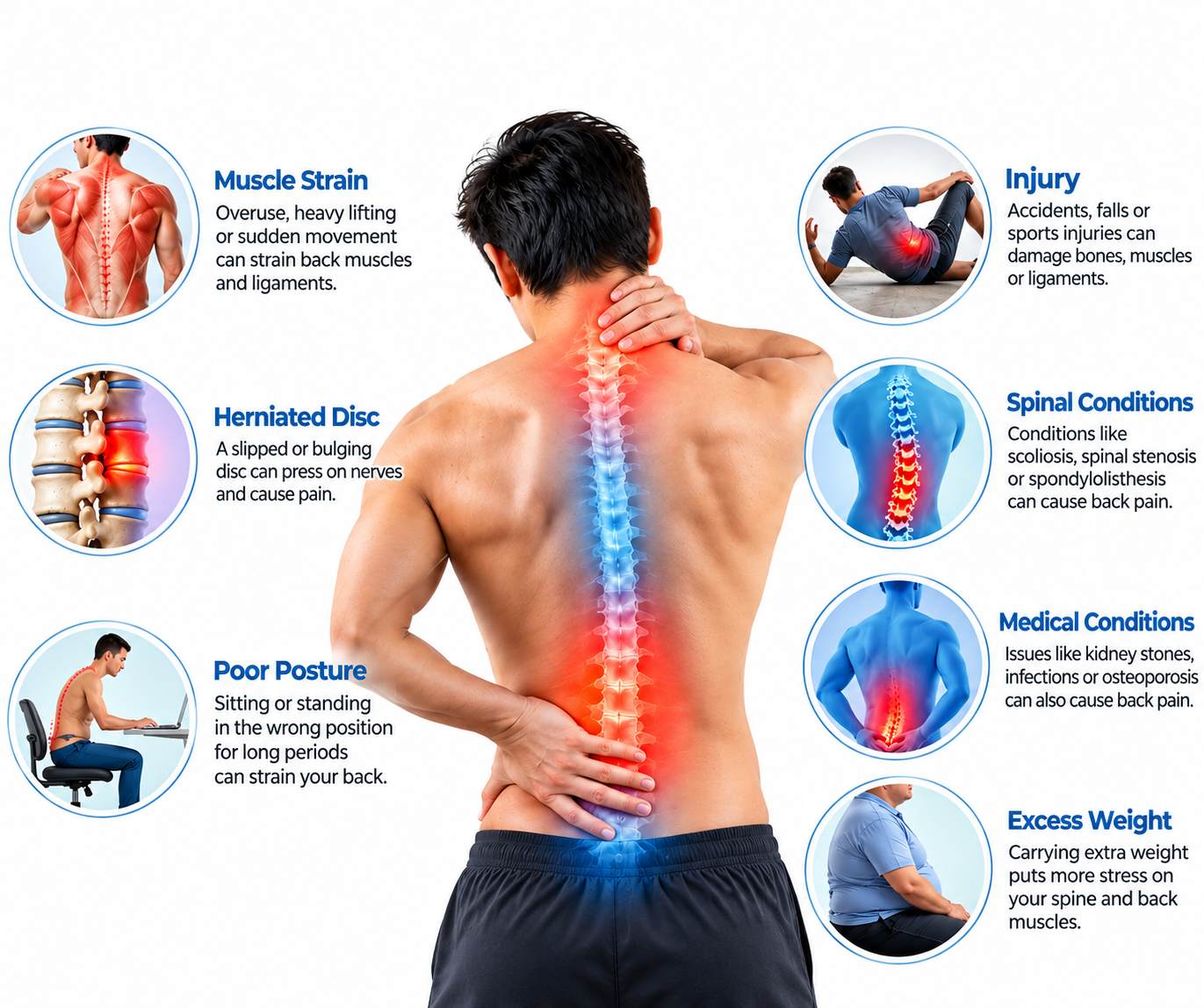
Cervical pain arises from postural overload, degenerative disc disease, and nerve entrapment:
- Poor Posture ("Tech Neck"): Prolonged forward head flexion while viewing smartphones or computer screens.
- Cervical Disc Degeneration: Natural age-related desiccation and height loss of intervertebral discs.
- Herniated Cervical Disc: Bulging nuclear material pressing directly against exiting cervical nerve roots.
- Cervical Spondylosis & Bone Spurs: Arthritic osteophytes narrowing the neural foramina and spinal canal.
Non-Surgical Solutions & Care
Managing neck pain centers on manual therapy, cervical stabilization, and postural re-education:
Conservative Physical Therapy
Cervical manual mobilization, deep neck flexor strengthening, ergonomic workstation setup, and activity modification.
Posture & Ergonomics
Practical instructions on monitor height adjustments, sleeping pillow support, and safe cervical stretching intervals.
How Neck Pain Is Diagnosed
Our structured 4-tier diagnostic evaluation protocol maps over 50 specific clinical and physical evaluation parameters for a precise cervical recovery roadmap.
1. History & Postural Strain Audit
Detailed screening of screen time, computer ergonomics, whiplash history, and arm radiation patterns.
- Daily Screen Time & "Tech Neck": Measuring hours spent looking down at smartphones and computer monitors.
- Arm Radiation / Radicular Pain: Tracking shooting pain, electrical tingles, or numbness traveling into shoulder and fingers.
- Cervicogenic Headache Frequency: Inquiring about suboccipital headaches starting at the base of skull and spreading forward.
- Prior Whiplash / Trauma Audit: Screening history of motor vehicle rear-end collisions or sports concussions.
- Sleeping Pillow Ergonomics: Evaluating cervical support pillow design and morning waking stiffness.
- Sustained Posture Intolerance: Measuring minutes reading or driving before neck fatigue forces rest.
- Hand Dexterity Changes (Myelopathy): Inquiring about dropping coffee cups or difficulty buttoning shirts.
- Balance & Unsteady Gait Screen: Screening for spinal cord compression causing unsteadiness when walking.
- Occupational Load Profile: Reviewing heavy overhead lifting or vibrating machinery exposure.
- Medication Efficacy Review: Documenting response to muscle relaxants, NSAIDs, or neuropathic medications.
- Visual Analog Scale (VAS) Baseline: Recording resting neck and arm pain scores (0-10 scale).
- Baseline Neck Disability Index (NDI): Measuring functional impairment across daily living activities.
2. Radiculopathy & Myelopathy Screen
Evaluating cervical nerve root compression, upper motor cord myelopathy, and reflex changes.
- Spurling’s Maneuver: Neck extension and side-bending narrowing neural foramina to reproduce shooting arm pain.
- Cervical Distraction Test: Manual upward axial traction relieving foraminal nerve root pressure.
- Hoffmann’s Reflex Sign: Flicking middle finger nail observing reflexive thumb/index flexion (cervical myelopathy).
- Inverted Radial Reflex: Paradoxical finger flexion when striking brachioradialis tendon.
- 10-Second Grip & Release Test: Rapid hand opening/closing evaluating fine motor dexterity (<20 is abnormal).
- Deep Tendon Reflex Grading (0-4+): Testing Biceps (C5), Brachioradialis (C6), and Triceps (C7) reflexes.
- Dermatomal Sensory Mapping: Pinprick and light touch testing across C5 to T1 dermatomes.
- Myotomal Motor Power Grading (0-5 Scale): Testing shoulder abduction (C5), elbow flexion/wrist extension (C6), elbow extension/finger flexion (C7), and finger abduction (C8-T1).
- Tandem Gait & Romberg Testing: Evaluating balance and spinal cord proprioception.
- Babinski Reflex Sign: Plantar stroke test evaluating central spinal cord corticospinal tract integrity.
- Shoulder Abduction Relief Sign (Bakody’s Sign): Placing hand on top of head relieving radicular arm pain.
- Emergency Myelopathy Triage: Immediate surgical consultation protocol for progressive hand weakness or gait loss.
3. Physical Mobility & Cervical Exam
Active range of motion goniometry, facet joint pillar palpation, deep neck flexor endurance, and posture.
- Cervical Range of Motion Goniometry: Measuring active rotation (~80°), flexion (~50°), extension (~60°), and lateral flexion (~45°).
- Cervical Facet Pillar Palpation: Checking focal tenderness over posterior articular pillars.
- Deep Neck Flexor Endurance Test: Craniocervical flexion hold time (<20 seconds indicates weakness).
- Suboccipital Muscle Hypertonicity Check: Palpating tight suboccipital and upper trapezius trigger points.
- Forward Head Posture Measurement: Tragus-to-wall distance and craniovertebral angle assessment.
- Scapular Dyskinesis Evaluation: Observing winging or lower trapezius weakness during shoulder elevation.
- Upper Limb Tension Test (ULTT / Elvey): Neural tension test reproducing arm symptoms.
- Thoracic Outlet Syndrome (TOS) Tests: Adson’s and Roos tests ruling out vascular/nerve compression at thoracic outlet.
- TMJ Jaw Movement Screening: Checking temporomandibular joint clicking and bite alignment.
- Physical Baseline Record: Logging motion degrees and flexor endurance times for rehabilitation tracking.
4. Cervical Imaging & Care Roadmap
Cervical X-rays, 3T MRI, epidural steroid injections, manual therapy, and surgical decompression.
- Cervical Spine X-Rays (AP, Lateral & Oblique): Visualizing disc space narrowing, osteophytes, and neural foraminal encroachment.
- Flexion-Extension Radiographs: Assessing cervical segmental instability and ligamentous laxity.
- High-Resolution Cervical MRI: Gold standard evaluating disc herniations, spinal canal diameter, and cord myelopathy.
- Cervical Electromyography (EMG / NCS): Nerve conduction studies confirming exact nerve root lesion levels.
- Clinical-Radiological Correlation Check: Correlating MRI findings with patient's exact dermatomal pain map.
- Targeted Physiotherapy Protocol: Prescribing cervical mobilization, deep neck flexor training, and postural correction.
- Cervical Epidural Steroid Injections (ESI): Fluoroscopically guided anti-inflammatory delivery for acute radicular arm pain.
- Radiofrequency Ablation (RFA): Thermal neurotomy for chronic cervical facet arthropathy headaches.
- Ergonomic Workstation Prescription: Adjusting monitor height, chair armrests, and lighting to eliminate neck strain.
- Surgical Decompression Triage: Indications for ACDF or laminectomy reserved for progressive myelopathy or failed conservative care.
- Multi-Specialist Spine Panel: Collaborative spine surgeon, physiatrist, and physical therapist case review.
- Digital Archiving: Secure cloud storage of cervical MRI DICOM files and NDI progress scores in patient portal.
- Final Clinical Clearance: Approving independent lifelong ergonomic posture and neck maintenance routines.
Meet Our Experts
Our team focuses on assessing neck pain, improving cervical mobility and flexibility, reducing stiffness, correcting posture and movement patterns, and building strength to help you return safely to comfortable everyday activities through an individualised care plan.
Ask Our Specialist
Personalised Neck Pain Care
Neck pain and cervical stiffness can affect movement, comfort, sleep, and everyday activities. Understanding your symptoms and possible contributing factors helps guide the next steps. Our approach focuses on clinical assessment, suitable treatment options, gradual mobility and strength building, posture correction, and an individualised care plan designed around your needs and recovery goals.
Patient Success Stories
Watch real recovery stories from patients who regained their active lifestyles.
Patient Recovery Story
Real experiences. Better mobility.
Patient Recovery Story
Real patient experiences and recovery journeys.
Frequently Asked Questions
Clear answers to common questions about neck pain and cervical treatments.