Understanding ATFL Sprains
The anterior talofibular ligament (ATFL) is the most frequently injured ligament in the ankle, typically damaged when the foot rolls inward and downward, such as during an awkward landing or a misstep on uneven ground.
As the primary restraint against this type of ankle rolling motion, the ATFL is involved in the vast majority of ankle sprains, and a properly structured rehabilitation program is essential to restore full stability and reduce the high risk of repeat sprains.
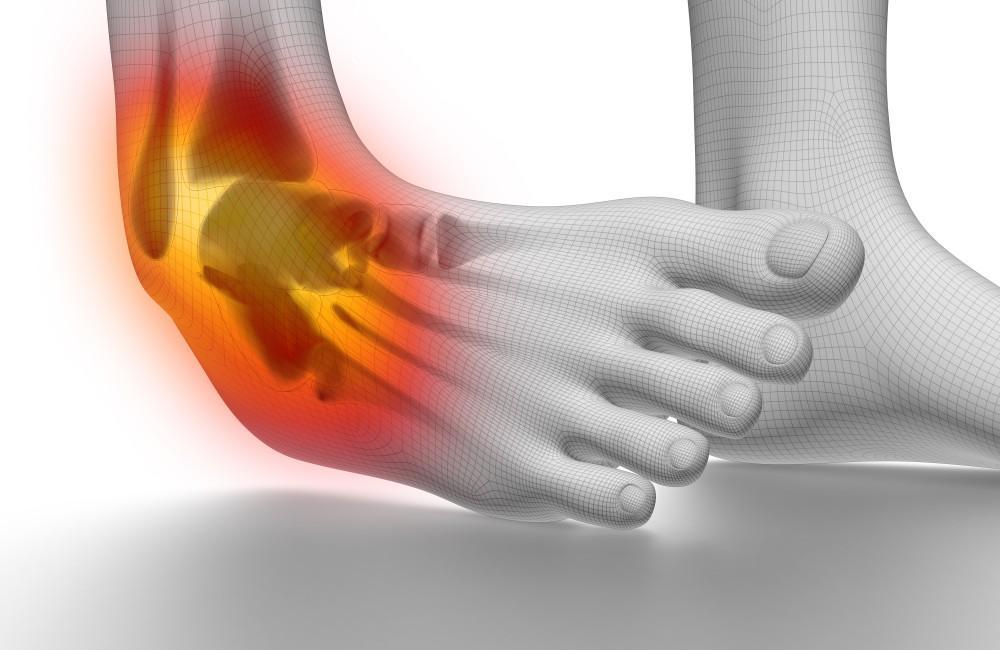
How ATFL Sprains Happen
- Rolling the ankle inward while the foot is pointed downward (plantarflexion-inversion)
- Landing awkwardly from a jump onto an uneven surface
- Sudden, forceful changes of direction during sport or athletic training
- Stepping on an uneven surface, hole, or directly onto another player's foot
Grades of ATFL Sprain
- Grade 1: Mild ligament stretching with microscopic tears, minimal localized swelling, and preserved joint stability
- Grade 2: Partial ligament tearing with moderate swelling, bruising, and noticeable joint looseness
- Grade 3: Complete ligament rupture with severe swelling, bruising, and significant ankle instability
Symptoms
- Pain and swelling localized on the outer side of the ankle
- Bruising that develops progressively over the following day or two
- Difficulty or inability to bear weight, particularly in higher-grade sprains
- A distinct sense of the ankle giving way or feeling structurally unstable
Phase-by-Phase Rehabilitation
- Phase 1: Protecting the joint and reducing swelling with rest, ice, compression, and elevation (RICE)
- Phase 2: Restoring range of motion and introducing gentle isometric strengthening as pain allows
- Phase 3: Progressive resistance exercises and balance training to rebuild dynamic neuromuscular control
- Phase 4: Sport-specific agility drills, plyometrics, and a graded return to full competitive activity
Why Balance Training Matters
Ankle sprains disrupt the microscopic nerve receptors (mechanoreceptors) within the ligament that help the brain sense joint position. This is why balance and proprioception training forms the cornerstone of comprehensive ATFL rehabilitation, significantly reducing the well-documented risk of chronic ankle instability and recurrent sprains.
Frequently Asked Questions
How long does an ATFL sprain take to heal?
Mild sprains often improve within one to two weeks, while more significant Grade 2 or Grade 3 tears can take four to eight weeks or longer of structured, guided rehabilitation.
Can I walk on a sprained ankle?
Mild sprains often still allow walking with minor discomfort, while higher-grade sprains may require a period of protected weight-bearing with a supportive brace, boot, or crutches.
Why do ankle sprains keep happening?
Incomplete rehabilitation—particularly skipping balance, proprioception, and peroneal strengthening exercises—is the primary cause of recurrent ankle sprains after the initial pain subsides.
Take Care of Your Ankle Health
Concerned about ankle or foot pain? Book a consultation today with our specialists.
Book Specialist Consultation