What Is Sciatica?
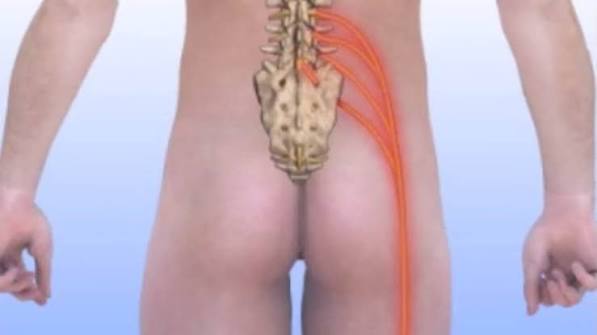
Sciatica is nerve pain that travels along the sciatic nerve — the longest nerve in the body, running from the lower back through the hips and down each leg.
It develops when this nerve gets compressed or irritated, usually by a herniated disc, bone spuror spinal narrowing.
Unlike general back pain, sciatica is easy to recognise because the pain radiates well beyond the back and into the leg.
Common Symptoms
Pain radiating from the lower back through the buttock and down one leg
A sharp, burningor shooting sensation, often worse than the back pain itself
Tingling or numbness along the nerve's path
Leg or foot weakness
Pain that worsens with sitting, coughingor sudden movement
Symptoms usually affecting only one side of the body
What Causes Sciatica?
- Herniated or slipped disc pressing on the nerve root
- Spinal stenosis (narrowing of the spinal canal)
- Degenerative disc disease or bone spurs
- Piriformis syndrome, where a tight hip muscle irritates the nerve
- Spondylolisthesis (a slipped vertebra)
- Pregnancy, obesityor prolonged sitting, which add pressure on the lower spine
How Sciatica Is Diagnosed
A physical exam — checking reflexes, muscle strength, and leg-raising response — often points to sciatica right away.
An MRI or CT scan can confirm the exact cause, showing whether a disc, bone spuror spinal narrowing is compressing the nerve.
Treatment Options
Most sciatica cases improve within a few weeks with non-surgical care. Surgery is considered only for severe nerve compression, ongoing weaknessor loss of bladder or bowel control.
- Rest combined with gentle, guided movement
- Physiotherapy to relieve nerve pressure and strengthen the core and lower back
- Stretching exercises targeting the hips and lower spine
- Pain-relief or anti-inflammatory medication, as advised by a doctor
- Epidural or targeted injections for severe, persistent pain
- Posture correction and ergonomic adjustments for daily activities
When to See a Doctor
- Pain lasting more than a few weeks or getting worse
- Growing weakness or numbness in the leg or foot
- Loss of bladder or bowel control — seek immediate care
- Pain following an injury or accident
Early diagnosis makes sciatica far easier to treat, relieving nerve pressure and helping you move freely again without lasting complications.
Book Doctor Consultation