Understanding TFL Tightness in Golfers
The tensor fasciae latae, or TFL, is a small hip muscle at the front of the outer thigh that plays a key role in stabilizing the pelvis during the rotational, weight-shifting movements of a golf swing.
Repetitive swinging places significant demand on this muscle, and many golfers develop TFL tightness that leads to outer hip pain, reduced swing mobility, and compensatory movement patterns that can affect performance and increase injury risk elsewhere in the kinetic chain.
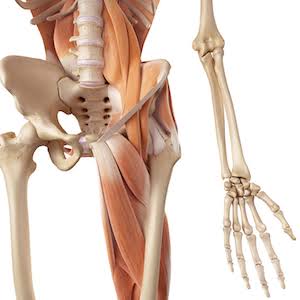
Why Golfers Are Prone to TFL Tightness
- Rotational loading: Repetitive rotational loading during the golf swing places asymmetric strain on the lead hip
- Cumulative fatigue: Prolonged standing and walking across an entire round of golf increases muscle fatigue
- Restricted rotation: Limited hip internal rotation forces the TFL and iliotibial band to overcompensate during the swing
- Warm-up habits: Inconsistent or insufficient warm-up routines before practice or play
- Gluteal weakness: Underlying weakness in the deep gluteal stabilizers, shifting excessive mechanical load onto the TFL
Symptoms of TFL Tightness
- Outer hip pain or tightness, typically more pronounced on the lead leg during a swing
- A pulling or snapping sensation felt at the front-outer hip during rotational movement
- Reduced hip rotation range affecting swing mechanics and overall driving distance
- Localized tenderness when pressing along the outer hip just below the pelvic bone
- Tightness that noticeably worsens after a full round or extended practice session
Impact on Golf Performance
TFL tightness doesn't just cause localized discomfort — it can severely restrict the hip rotation needed for an efficient backswing and downswing.
This forces compensatory movement through the lower back or opposite hip. Over time, this compensation pattern can contribute to secondary issues such as low back pain or reduced consistency in ball striking.
Treatment and Management
- Targeted stretching: Specific TFL and iliotibial band stretches before and after play
- Soft tissue care: Foam rolling or professional soft tissue release techniques for the outer hip
- Gluteal conditioning: Deep gluteal strengthening to reduce compensatory overload on the TFL
- Mobility drills: Hip mobility work to restore the internal rotation needed for an efficient swing
- Swing review: Evaluating swing mechanics with a coach if compensation patterns contribute to recurrence
Prevention Tips for Golfers
- Incorporate a dynamic hip mobility warm-up before every round or practice session
- Build a consistent off-course strength and flexibility routine targeting the hips and core
- Avoid sudden, unconditioned increases in practice volume, especially early in the season
- Address any long-standing hip rotation limitations proactively with a sports physiotherapist
Frequently Asked Questions
What is the TFL muscle and why does it matter for golfers?
The tensor fasciae latae is a hip muscle that helps stabilize the pelvis and assists hip rotation, both of which are heavily engaged during the powerful rotational movement of a golf swing.
How can I tell if my hip pain is from TFL tightness?
TFL-related pain is typically felt at the front-outer hip, often worsens after swinging, and usually presents with a pulling or tight sensation rather than deep joint pain.
Can stretching alone fix TFL tightness in golfers?
Stretching helps relieve acute tension, but lasting improvement usually requires addressing weakness in the deeper gluteal muscles and improving overall hip rotation mobility.
Should I stop playing golf if I have TFL tightness?
Not necessarily, but reducing swing volume temporarily while addressing the underlying tightness and mobility limitations can prevent the issue from worsening or affecting your swing long-term.
Take Care of Your Hip Health
Concerned about golf-related hip pain or looking for a professional specialist diagnosis? Book a consultation today with our experts.
Book Hip Specialist Consultation