Understanding Lumbar Spinal Stenosis
Lumbar spinal stenosis refers specifically to narrowing of the spinal canal in the lower back, placing pressure on the nerve roots that supply the legs.
It is a common cause of leg pain and walking difficulty in older adults, typically developing gradually from age-related degenerative changes, and is distinct from cervical stenosis in its characteristic symptom pattern and impact on daily mobility.
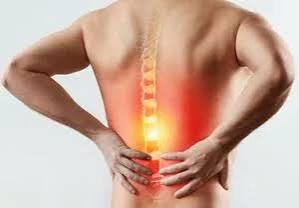
What Causes Lumbar Spinal Stenosis?
- Age-related disc bulging reducing space within the lower spinal canal
- Thickened spinal ligaments encroaching on the nerve space
- Bone spur formation from degenerative facet joint changes
- Degenerative spondylolisthesis contributing to canal narrowing
Characteristic Symptoms
- Leg pain, heaviness, or cramping that develops with walking (neurogenic claudication)
- Symptoms that typically improve quickly with sitting or leaning forward
- Numbness or tingling in the legs during prolonged standing or walking
- Lower back pain, though leg symptoms are often more prominent
Diagnosis
MRI is the primary tool for confirming lumbar spinal stenosis, allowing clear visualization of canal narrowing and its relationship to the nerve roots, which helps distinguish it from other causes of leg pain such as vascular claudication.
Treatment Options
- Physiotherapy focused on flexion-based exercises and core stabilization
- Activity pacing strategies to manage walking tolerance
- Epidural injections for significant symptom flares
- Surgical decompression considered for persistent, significantly limiting symptoms
Frequently Asked Questions
Why does leaning forward relieve lumbar stenosis symptoms?
Forward bending slightly increases the space within the spinal canal, reducing pressure on the nerve roots and often providing quick relief of walking-related leg symptoms.
How is lumbar stenosis different from sciatica?
Lumbar stenosis specifically refers to canal narrowing that can cause leg symptoms with walking, while sciatica describes the broader symptom pattern of nerve pain down the leg, which stenosis is just one possible cause of.
Can lumbar spinal stenosis be managed without surgery?
Yes, many cases are managed successfully with physiotherapy and activity pacing, with surgery reserved for significant, persistent symptoms affecting quality of life.
Take Care of Your Spinal Health
Concerned about back, neck, or spine pain? Book a consultation today with our specialists.
Book Spine Specialist Consultation