Understanding Flat Feet
Flat feet, medically known as pes planus, is a condition in which the arch of the foot is significantly lowered or absent, causing the entire sole to come into closer or full contact with the ground when standing.
Flat feet can be present from childhood or develop later in life, and while many people with flat feet have no symptoms at all, others experience pain and altered biomechanics that benefit from targeted management.
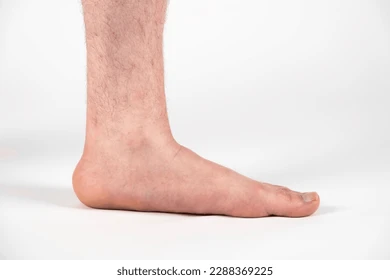
Types of Flat Feet
- Flexible flat feet: The arch appears normally when the foot is lifted off the ground but flattens under weight-bearing, common in children and often asymptomatic
- Rigid flat feet: The arch remains flat regardless of weight-bearing, which is less common and more often associated with underlying structural or tendon problems
- Adult-acquired flat feet: Often related to posterior tibial tendon dysfunction, developing gradually later in life
Symptoms
- Foot fatigue or aching, particularly after standing or walking for long periods
- Pain along the inner ankle or arch region
- Swelling along the inner ankle in tendon-related adult acquired flat feet
- Altered walking pattern and, in some cases, associated knee or hip discomfort
Causes
- Normal flexible flat feet as a developmental variant in children
- Weakness or dysfunction of the posterior tibial tendon in adults
- Ligament laxity or connective tissue conditions
- Previous injury or arthritis affecting normal foot structure
Management Approach
- Supportive footwear: Choosing shoes with adequate integrated arch support
- Orthotic support: Custom orthotic inserts to redistribute mechanical pressure and support the arch
- Rehabilitation: Strengthening exercises for the foot and ankle muscles, particularly the posterior tibial tendon
- Activity modification: Modifying routines for symptomatic cases
- Surgical care: Surgical reconstruction reserved for severe, symptomatic, or progressive adult-acquired flat feet
Frequently Asked Questions
Do flat feet always need treatment?
No, many people with flat feet, particularly flexible flat feet in children, have no symptoms and require no specific medical treatment.
Can flat feet cause knee or hip pain?
Yes, altered foot mechanics from flat feet can contribute to kinetic chain changes further up the leg, occasionally leading to knee or hip discomfort in some individuals.
Can exercises fix flat feet?
While exercises won't structurally change bone alignment or create a bony arch, they can strengthen supporting muscles and tendons, improving symptoms and function for many people with flat feet.
Take Care of Your Foot Health
Concerned about ankle or foot pain? Book a consultation today with our specialists.
Book Specialist Consultation