Understanding Lower Back Muscle Strain
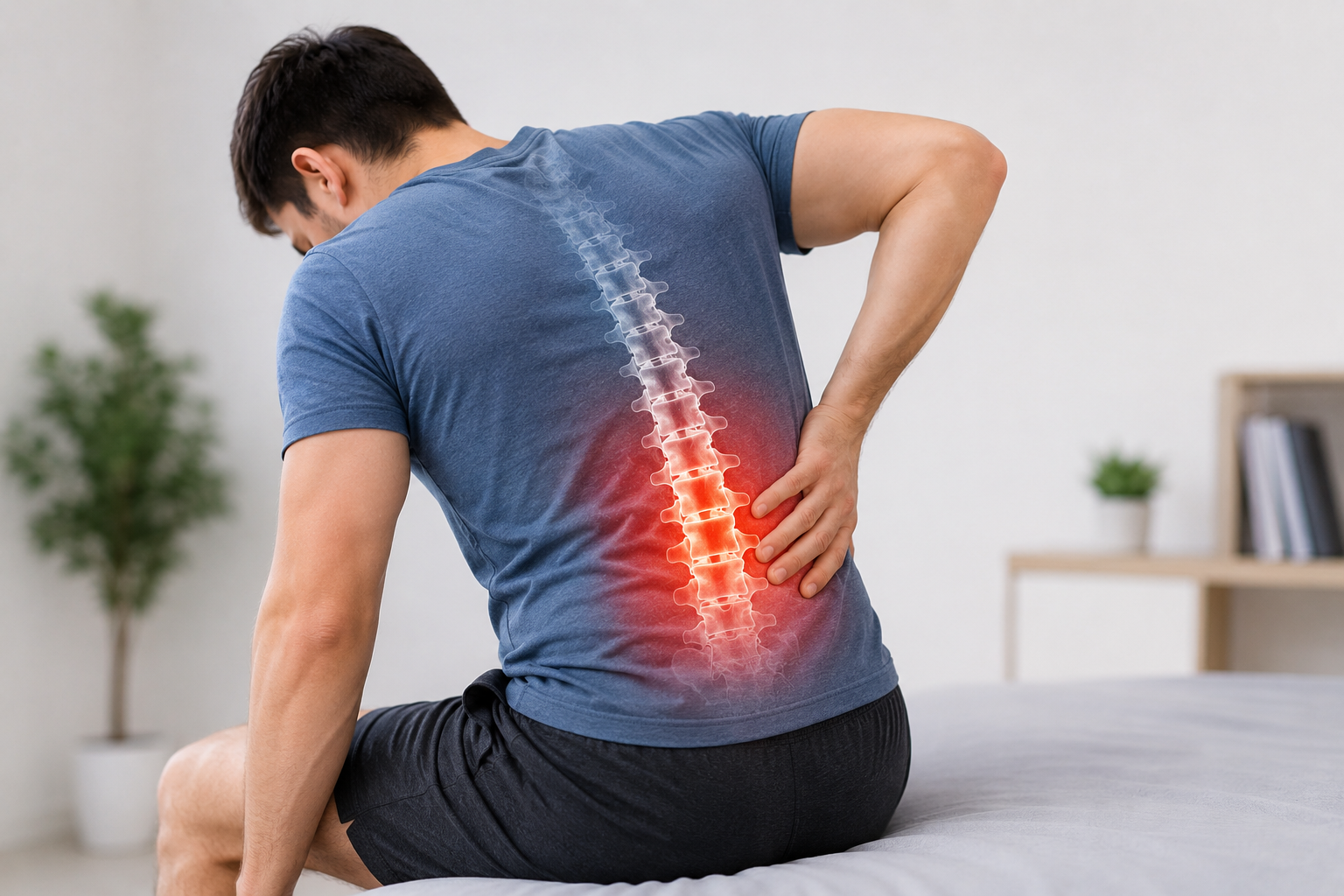
A lower back muscle strain occurs when the muscles or tendons supporting the lumbar spine are overstretched or torn, typically from sudden lifting, twisting, or overexertion.
It is among the most common causes of acute lower back pain and, while often intensely uncomfortable in the short term, generally responds very well to conservative treatment and staged return to activity.
Common Causes
- Lifting a heavy object with improper technique
- Sudden twisting movements, particularly while bending
- Overexertion during unaccustomed physical activity
- Poor posture combined with prolonged static positions weakening supporting muscles over time
Symptoms
- Sudden, sharp pain at the time of injury, or gradually developing soreness
- Muscle spasm and tightness in the lower back
- Pain that worsens with movement, particularly bending or twisting
- Difficulty standing fully upright in more significant strains
Treatment and Recovery
- Short-term rest followed by gradual return to normal activity, avoiding prolonged inactivity
- Ice in the first 24 to 48 hours, followed by heat for ongoing muscle tension
- Gentle stretching and progressive strengthening as pain allows
- Anti-inflammatory medication for short-term symptom relief
- Physiotherapy for persistent symptoms or recurrent strains
Preventing Recurrence
Because muscle strains often recur without addressing contributing factors, building core and lower back strength, using proper lifting technique, and maintaining good posture during daily activities are key strategies for reducing the likelihood of future episodes.
Frequently Asked Questions
How long does a lower back muscle strain take to heal?
Mild strains often improve within one to two weeks, while more significant strains can take several weeks with appropriate treatment and gradual activity progression.
Should I use ice or heat for a lower back strain?
Ice is generally recommended in the first 24 to 48 hours to reduce inflammation, after which heat can help relax ongoing muscle tightness and improve blood flow.
Is bed rest good for a back muscle strain?
Prolonged bed rest is generally not recommended, as staying gently active tends to support faster, more complete recovery.
Take Care of Your Spinal Health
Concerned about back, neck, or spine pain? Book a consultation today with our specialists.
Book Spine Specialist Consultation