Understanding Calcaneal Spurs
A calcaneal spur, commonly called a heel spur, is a small bony growth that forms on the underside of the heel bone, often in association with chronic plantar fascia strain.
While the term is frequently used interchangeably with plantar fasciitis, a calcaneal spur is specifically the bony outgrowth itself, which may or may not be the actual source of pain, making it important to understand its true role in heel discomfort.
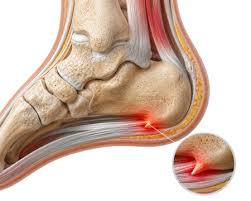
How Calcaneal Spurs Develop
Calcaneal spurs typically form gradually over months to years as a direct result of repetitive mechanical traction and strain at the point where the plantar fascia or other soft tissue attaches to the heel bone. The body responds to this chronic mechanical stress by laying down additional bone mineral at the attachment site, eventually forming the characteristic spur seen on diagnostic imaging.
Are Heel Spurs the Cause of Pain?
Interestingly, many individuals have calcaneal spurs clearly visible on X-ray without experiencing any pain at all, suggesting the spur itself is frequently not the direct source of discomfort. Instead, pain is usually attributed to surrounding soft tissue inflammation—particularly of the plantar fascia—rather than the bony outgrowth itself.
Symptoms Associated With Spurs
- Heel pain, most noticeable with the very first steps in the morning
- Discomfort that may worsen following prolonged periods of standing or walking
- Localized tenderness when pressing directly on the underside of the heel
- Symptom patterns that closely mirror plantar fasciitis in the vast majority of cases
Diagnosis and Treatment
- Imaging: Standard X-rays confirm the presence of a bony spur, though this doesn't always correlate with pain severity
- Management focus: Treatment largely mirrors plantar fasciitis care, focusing on relieving surrounding soft tissue strain
- Mechanical support: Targeted stretching, supportive footwear, and custom orthotic inserts to reduce tension
- Symptom relief: Anti-inflammatory measures during acute flare-ups
- Surgery: Surgical removal of the spur is rarely necessary and reserved only for persistent, severe cases
Frequently Asked Questions
Does a heel spur always cause pain?
No, many people have calcaneal spurs without any symptoms at all, suggesting that surrounding soft tissue inflammation, rather than the spur itself, is usually the true source of pain.
Do I need surgery to remove a heel spur?
Surgery is rarely required, as most cases respond very well to the same conservative treatments used successfully for plantar fasciitis.
How is a calcaneal spur diagnosed?
It is typically identified incidentally or on a routine X-ray ordered to investigate persistent, localized heel pain.
Take Care of Your Foot Health
Concerned about ankle or foot pain? Book a consultation today with our specialists.
Book Specialist Consultation