Understanding Cubital Tunnel Syndrome
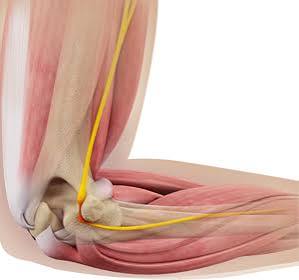
The ulnar nerve travels through a narrow passage on the inner side of the elbow, often referred to as the funny bone, and its exposed position makes it particularly vulnerable to compression.
Cubital tunnel syndrome develops when this nerve becomes pinched or irritated, producing numbness and tingling that extends into the hand. Our clinic offers targeted treatment for cubital tunnel syndrome to relieve nerve compression and restore normal sensation.
What Is Cubital Tunnel Syndrome?
The cubital tunnel is a narrow channel on the inner elbow through which the ulnar nerve passes on its way to the hand. Because this tunnel is close to the skin's surface, the nerve can become compressed by prolonged elbow bending, repetitive motion, or direct pressure, leading to symptoms that are felt not at the elbow itself but further down the arm and into the fingers.
Common Causes
- Prolonged elbow bending, such as sleeping with the arm curled or holding a phone for extended periods
- Repetitive elbow flexion during occupational tasks or sports
- Leaning on the inner elbow on hard surfaces for extended periods
- Bone spurs or localized swelling narrowing the cubital tunnel space
- Previous elbow injury altering the nerve's normal anatomical position
Symptoms of Cubital Tunnel Syndrome
- Numbness or tingling sensations localized in the ring and little fingers
- Weakness affecting grip strength or fine hand coordination movements
- Symptoms that noticeably worsen with prolonged elbow bending, such as during sleep
- In advanced, chronic cases, visible wasting of small muscles within the hand
Treatment Options
- Activity modification: Adjusting daily habits and sleep positioning to reduce prolonged elbow bending
- Night splinting: Keeping the elbow in a neutral, unbent position during sleep
- Physiotherapy: Specialized nerve gliding exercises to ease mechanical irritation
- Symptom control: Anti-inflammatory treatment to manage associated discomfort
- Surgical decompression: Surgical release considered for persistent or worsening nerve symptoms
Frequently Asked Questions
How is cubital tunnel syndrome different from carpal tunnel syndrome?
Cubital tunnel syndrome involves compression of the ulnar nerve at the elbow, affecting the ring and little fingers, while carpal tunnel syndrome involves a completely different nerve compressed at the wrist, affecting the thumb and first two fingers.
Can cubital tunnel syndrome be treated without surgery?
Yes, many mild to moderate cases improve successfully with activity changes, night splinting, and physiotherapy, with surgery reserved strictly for more severe or persistent cases.
Why do symptoms often worsen at night?
Many people sleep with their elbow deeply bent, which stretches and increases mechanical pressure on the ulnar nerve within the cubital tunnel, intensifying numbness and tingling.
Take Care of Your Elbow Health
Concerned about elbow pain or looking for a diagnosis? Book a consultation today with our specialists.
Book Elbow Specialist Consultation